

Private PCOS (PMOS) Diagnosis Clinics & Sutton Coldfield & Online
If you experience irregular periods, acne, excess hair growth, weight changes or difficulties becoming pregnant, you may have wondered whether Polycystic Ovary Syndrome (PCOS, now known as PMOS) could be the cause.
You are not alone.
Understanding PCOS / PMOS
PCOS is one of the most common hormonal conditions affecting women of reproductive age. However, symptoms can vary considerably from one person to another, and there is no single test that can diagnose PCOS.
At Your Health, we believe you deserve clear, evidence-based information about your symptoms, what they may mean and what options are available.
Our specialist team can help you understand whether your symptoms may be related to PCOS, arrange appropriate investigations and develop a personalised plan based on your health, symptoms and fertility goals.
This guide explains:
- What PCOS is
- Common symptoms of PCOS
- How PCOS is diagnosed
- The relationship between PCOS and hormones
- PCOS and weight
- PCOS and fertility
- Treatment options
- Managing irregular periods
- Acne and excess hair growth
- Long-term health considerations
- When to seek specialist support

Supporting Your Health Through PCOS/PMOS
PCOS doesn’t have to define your life. With the right information, personalised treatment and ongoing support, symptoms can be managed and your quality of life improved.
If you’re experiencing irregular or absent periods, acne, excess hair growth, weight changes, difficulty with ovulation or fertility concerns, seeking specialist advice can help you understand what may be causing your symptoms.
A personalised PCOS assessment can help guide diagnosis, explore your treatment options and support your hormonal health, menstrual wellbeing and fertility goals.

Dr Fateh Ghazal GMC: 6047927

Dr Lina Antoun GMC: 7060000

Prof Tony Thomas GMC: 6069916

5 Star Experience
“Your Health provided exceptional support throughout my PCOS journey. After struggling with irregular periods and hormonal symptoms, it was such a relief to finally feel listened to, understood and taken seriously. The team took the time to explain everything clearly, discuss my treatment options and help me understand what was happening with my body.
I’m incredibly grateful for the personalised care and support I received and would highly recommend Your Health.”
Sophie M.

What Is Polycystic Ovary Syndrome (PCOS / PMOS)?
Polycystic Ovary Syndrome (PCOS) is a hormonal condition that can affect the way the ovaries function.
Despite its name, having PCOS does not necessarily mean that you have ovarian cysts.
PCOS is commonly associated with:
- Irregular or absent ovulation
- Irregular menstrual cycles
- Higher levels or effects of androgens (male-type hormones)
- Polycystic appearance of the ovaries on ultrasound in some women
PCOS can affect much more than your periods. It may also influence fertility, skin and hair, weight, insulin regulation and long-term metabolic health.
The symptoms and severity of PCOS can be very different between individuals.
Some women may primarily experience irregular periods, while others may seek help because of acne, excess facial hair, hair thinning, weight changes or difficulty becoming pregnants.
Common Symptoms of PCOS/PMOS
There is no single pattern of symptoms that applies to everyone with PCOS/PMOS
Signs and Symptoms

Menstrual Symptoms
- Irregular periods
- Infrequent periods
- Very long menstrual cycles
- Missed periods
- Heavy bleeding following a prolonged period without menstruation
- Difficulty predicting when your next period will arrive
Irregular ovulation is one of the most common features of PCOS.
When ovulation does not occur regularly, the menstrual cycle can become unpredictable.

Skin & Hair Symptoms
PCOS can cause changes in the way your skin and hair grow.
Common symptoms include:
- Acne
- Oily skin
- Excess facial hair
- Increased body hair
- Hair thinning
- Hair loss from the scalp
These symptoms can occur because of increased androgen activity.

Weight & Metabolic Symptoms
Some women with PCOS experience:
- Weight gain
- Difficulty losing weight
- Increased abdominal weight
- Insulin resistance
- Increased hunger or cravings
However, PCOS can affect women of all body shapes and sizes.
Being a healthy weight does not exclude PCOS.

Fertility Symptoms
PCOS is one of the common causes of irregular ovulation and can therefore affect fertility.
You may experience:
- Difficulty becoming pregnant
- Irregular ovulation
- Long or unpredictable menstrual cycles
- Few periods each year
- Difficulty identifying when you are ovulating
Importantly, having PCOS does not mean that you cannot become pregnant.
Many women with PCOS conceive naturally or with appropriate fertility support.

Why Can PCOS Cause Irregular Periods?
For a menstrual cycle to occur regularly, the ovaries need to develop and release an egg through a process called ovulation.
In PCOS, ovulation may happen infrequently or not at all.
When ovulation does not occur regularly, hormone levels can remain altered and the lining of the womb may continue to build.
This can result in:
- Long menstrual cycles
- Missed periods
- Irregular bleeding
- Heavy bleeding after a long gap between periods
Persistent irregular periods should be assessed because
What Causes PCOS?
The exact cause of PCOS is not fully understood.
It is thought to involve a combination of:
- Genetics
- Hormonal factors
- Insulin resistance
- Metabolic factors
- Environmental influences
PCOS can run in families, so you may be more likely to develop the condition if a close relative has PCOS or related metabolic conditions.
PCOS is not caused by one particular food, lifestyle choice or behaviour.
How Is PCOS Diagnosed?
There is no single blood test or scan that confirms PCOS.
Diagnosis usually involves looking at your symptoms, medical history, hormone levels and, where appropriate, ultrasound findings.
Your clinician may ask about:
- Your menstrual cycle
- When your periods started becoming irregular
- Acne or excess hair growth
- Weight changes
- Previous pregnancies
- Fertility concerns
- Medications
- Family history
- Other medical conditions
Your clinician may also arrange blood tests to assess hormone levels and exclude other possible causes of your symptoms.aviour.
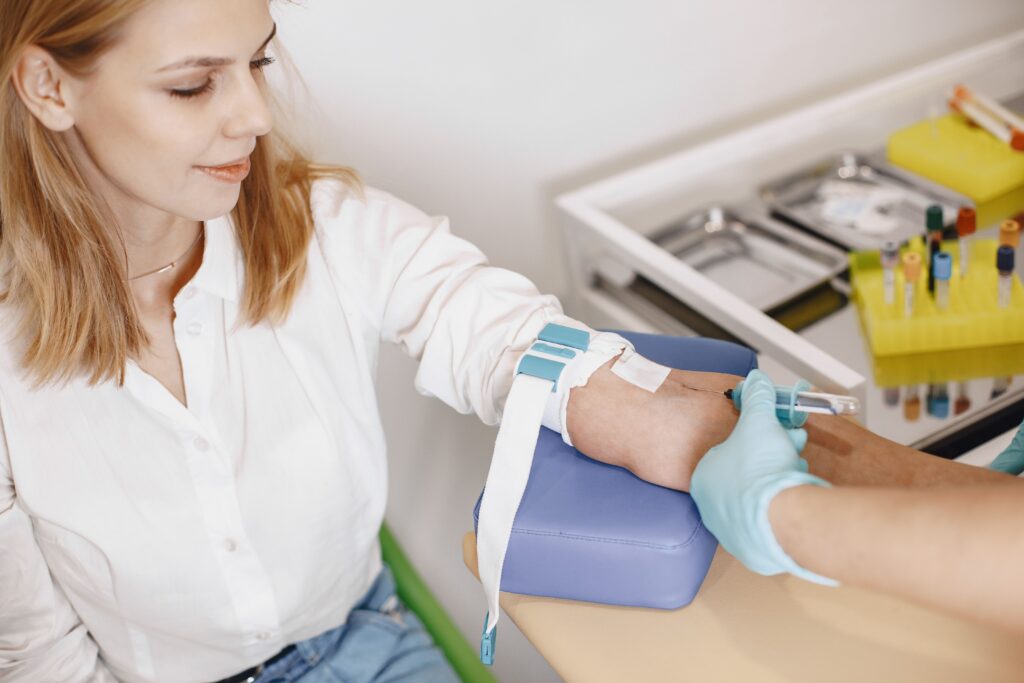
Blood Tests for PCOS
Depending on your symptoms, your clinician may recommend blood tests including:
- Testosterone
- SHBG
- Free androgen index
- LH
- FSH
- Oestradiol
- Prolactin
- Thyroid function
- 17-hydroxyprogesterone
Additional testing may be recommended to assess metabolic health, including:
- Blood glucose
- HbA1c
- Lipid profile
The exact tests required will depend on your individual symptoms and medical history.

Pelvic Ultrasound
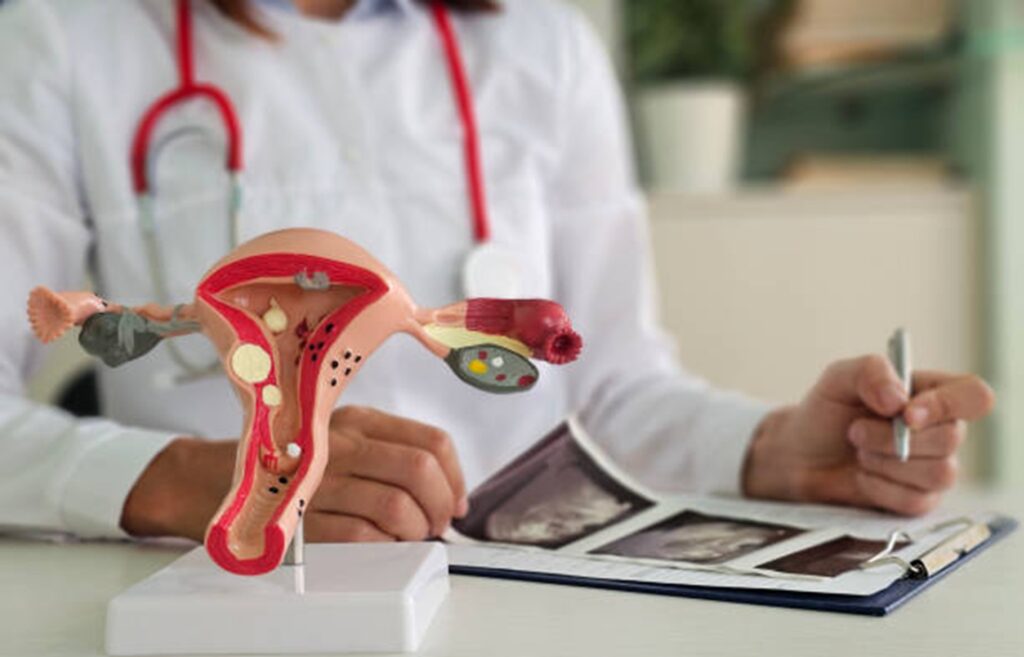
A pelvic ultrasound may be recommended as part of the assessment.
An ultrasound can assess:
- The appearance of the ovaries
- Ovarian volume
- The number of follicles
- The womb and endometrial lining
- Other possible causes of irregular bleeding or pelvic symptoms
Importantly, you do not need to have polycystic-appearing ovaries to have PCOS.
Similarly, having ovaries with multiple small follicles does not automatically mean that you have PCOS.
Your symptoms, hormone results and clinical history all need to be considered together.ndometriosis imaging often improves detection rates.
PCOS and Insulin Resistance
Insulin is a hormone that helps your body regulate blood glucose.
Some women with PCOS develop insulin resistance, meaning the body becomes less responsive to insulin.
The body may respond by producing more insulin.
Higher insulin levels can contribute to increased androgen activity and may affect ovulation.
Insulin resistance can occur in women with PCOS regardless of their weight.
This is why assessing metabolic health can be an important part of PCOS care.
PCOS and Weight
Weight and PCOS can be closely connected, but there is no single “PCOS body type”.
Some women with PCOS gain weight more easily or find weight loss difficult, while others have a healthy or lower body weight.
If weight management is appropriate for you, your care should focus on sustainable, individualised strategies rather than restrictive dieting.
Small improvements in metabolic health can sometimes help improve menstrual regularity and ovulation.
However, PCOS should never be reduced simply to a weight problem
PCOS and Fertility
PCOS can affect fertility because irregular ovulation means that an egg may not be released regularly.
This can make it more difficult to identify your fertile window and reduce the number of opportunities for conception.
However, PCOS does not mean infertility.
Many women with PCOS become pregnant naturally.
If you are trying to conceive and have irregular periods, an early assessment may be helpful.
Your fertility assessment may include:
- Menstrual and ovulation assessment
- Hormone testing
- Pelvic ultrasound
- Assessment of ovarian reserve where appropriate
- Semen analysis for your partner
- Assessment of the fallopian tubes where clinically indicated
Treatment can then be tailored around your individual circumstances.al symptoms and medical history.


Fertility Treatment for PCOS
If PCOS is affecting ovulation, treatment may help encourage regular ovulation.
Depending on your circumstances, options may include:
- Lifestyle and metabolic support
- Ovulation-induction medication
- Letrozole
- Metformin in selected patients
- Fertility specialist referral
- Intrauterine insemination (IUI) in appropriate circumstances
- IVF where indicated
The right treatment depends on your age, ovarian function, duration of trying to conceive, partner factors and other fertility considerations.es.
Treatment Options
There is currently no cure for PCOS, but symptoms can be effectively managed.
Treatment is based on your symptoms and priorities.
Your treatment plan may focus on:
- Regulating periods
- Managing acne
- Reducing excess hair growth
- Supporting healthy weight management
- Improving metabolic health
- Supporting fertility
- Protecting the womb lining
- Managing long-term health risks
You do not necessarily need treatment for every symptom.
Your care should be personalised around what matters most to you
Managing Irregular Periods
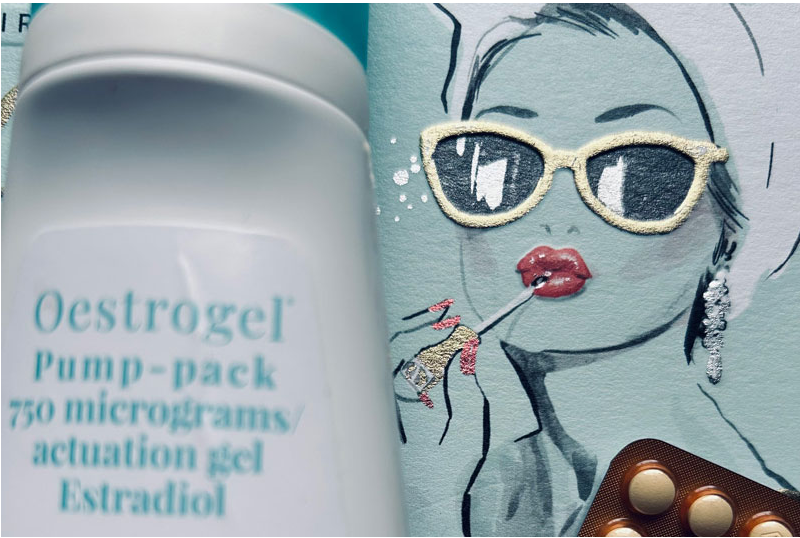
If you are not trying to become pregnant, hormonal treatment may help regulate bleeding and protect the womb lining.
Options may include:
Combined Hormonal Contraception
The combined contraceptive pill can help:
- Regulate periods
- Reduce heavy bleeding
- Improve acne
- Reduce androgen-related symptoms
Progesterone Treatment
Intermittent progesterone may be recommended for some women who have infrequent periods.
This can help induce a withdrawal bleed and protect the endometrium.
Hormonal Intrauterine System
A hormonal coil, such as Mirena®, may help manage heavy or irregular bleeding and provide protection to the womb lining.
The most appropriate option depends on your symptoms, medical history and reproductive plans.
Acne & Excess Hair Growth
Higher androgen activity can contribute to acne and increased facial or body hair.
Treatment may include:
- Hormonal contraception
- Anti-androgen medication in selected patients
- Topical acne treatments
- Dermatology support
- Cosmetic hair-removal treatments
Treatment should be selected according to your symptoms and whether you are trying to conceive.

Hair Loss
Some women with PCOS experience thinning of the hair on the scalp.
This may be related to androgen sensitivity.
However, hair loss can have many different causes.
Your clinician may therefore recommend additional investigations to exclude other contributing factors such as thyroid disorders, iron deficiency or other hormonal conditions.

Lifestyle Support for PCOS
Lifestyle support can form an important part of PCOS management.
This may include:
- Regular physical activity
- A balanced diet
- Adequate sleep
- Stress management
- Maintaining a healthy weight where appropriate
- Supporting cardiovascular and metabolic health
There is no single “PCOS diet” that works for everyone.
The goal should be sustainable changes that support your overall health rather than short-term restrictive approaches.

PCOS and Long-Term Health
PCOS is more than a menstrual condition.
Depending on your individual circumstances, PCOS may be associated with an increased risk of:
- Insulin resistance
- Type 2 diabetes
- High blood pressure
- Abnormal cholesterol levels
- Cardiovascular risk factors
- Endometrial hyperplasia
This does not mean that you will develop these conditions.
Regular health monitoring can help identify potential problems early and allow appropriate support.
Can PCOS Affect Your Mental Health?
PCOS can affect emotional wellbeing as well as physical health.
Living with unpredictable periods, acne, hair changes, weight concerns or fertility difficulties can be emotionally challenging.
Some women with PCOS experience:
- Low mood
- Anxiety
- Reduced confidence
- Body-image concerns
- Emotional distress around fertility
Your mental wellbeing is an important part of your overall PCOS care.
If symptoms are affecting your quality of life, speak with your healthcare professional so that appropriate support can be considered
.
PCOS During Different Stages of Life

Teenagers
Irregular periods and acne are common during adolescence, so diagnosing PCOS in teenagers requires careful assessment.

Reproductive Years
During your reproductive years, symptoms may include irregular ovulation, excess hair growth, acne and fertility difficulties.

Pregnancy
Women with PCOS can have healthy pregnancies, although some pregnancy complications may be more common and your maternity team may recommend additional monitoring depending on your individual risk factors.

Later Life
Symptoms may change as hormone levels naturally change with age. A history of PCOS can remain relevant to long-term metabolic and cardiovascular health..

When Should You See a PCOS Specialist?
Consider speaking with a specialist if you experience:
- Very irregular or absent periods
- Persistent acne
- New or excessive facial/body hair
- Unexplained hair thinning
- Difficulty becoming pregnant
- Unexplained weight changes
- Heavy bleeding following missed periods
- Concerns about insulin resistance or metabolic health
- A previous diagnosis of PCOS that you would like reviewed
- Symptoms that are affecting your quality of life
You do not need to wait until your symptoms become severe before seeking help.
Visiting Our Sutton Coldfield Clinic
Conveniently located our clinic is easily accessible with strong local travel links, making it straightforward to reach from Sutton Coldfield and the surrounding areas including Four Oaks, Little Aston, Wylde Green, Boldmere, Tamworth, Lichfield, Erdington, and Aldridge.
Get Directions
Ashfurlong Medical Centre
233 Tamworth Road
Sutton Coldfield
West Midlands
B75 6DX
Car parking and accessible access are available.
Public Transport: Access from Four Oaks Railway Station or Sutton Coldfield Train Station.
Your Health Shop
Support your health beyond your consultation with carefully selected products to help manage symptoms, support wellbeing and improve everyday quality of life.
Discover products chosen to complement your personalised care.
Simple. Practical. Supporting you every step of the way.
Cooling Patches
Discreet, non-hormonal cooling patches for hot flushes and overheating.
FloEaze Tens Machine
Discreet, drug-free TENS support for period and endometriosis pain.
Ziwig Endotest®
A non-invasive saliva-based test designed to support the diagnosis of endometriosis
PCOS Support: Charities & Organisations
Living with PCOS (Polycystic Ovary Syndrome), also increasingly referred to as PMOS (Polyendocrine Metabolic Ovarian Syndrome), can affect much more than periods and fertility. People may need support with diagnosis, menstrual symptoms, hormonal changes, fertility, metabolic health, emotional wellbeing, weight management, skin and hair symptoms, and long-term health.
The organisations below provide trusted information, practical resources and, in some cases, peer or emotional support. They can be useful alongside the care and advice provided by your healthcare team. The Royal College of Obstetricians and Gynaecologists also highlights the importance of understanding PCOS, managing long-term health risks and accessing appropriate support.
A UK charity dedicated to supporting people affected by PCOS/PMOS. It provides information, awareness resources and opportunities to connect with others living with the condition. Verity is currently using both PCOS and PMOS terminology during the transition to the new name.
Royal College of Obstetricians and Gynaecologists
Provides evidence-based patient information about PCOS, including symptoms, diagnosis, fertility, lifestyle and long-term health considerations.
Provides information and support for people experiencing fertility difficulties, including those whose fertility may be affected by conditions such as PCOS.
NHS – Polycystic Ovary Syndrome
Provides NHS information about PCOS, including symptoms, diagnosis, treatment and fertility.
Provides information and emotional support following miscarriage. This can be particularly useful for people with PCOS who have experienced pregnancy loss and need additional support alongside their clinical care.
Frequently Asked Questions
There is currently no cure for PCOS, but symptoms can often be managed effectively. Treatment can be tailored around your individual symptoms, health and fertility goals.
Yes. Regular periods do not completely exclude PCOS. Diagnosis requires assessment of the overall clinical picture, including androgen-related symptoms, hormone results and ovarian findings.
No. Despite the name, ovarian cysts are not required for a diagnosis of PCOS.
PCOS can affect ovulation and therefore fertility. However, many women with PCOS conceive naturally or with appropriate fertility treatment.
Yes. PCOS affects women of all body shapes and sizes. Being a healthy weight does not exclude PCOS.
PCOS is a long-term hormonal condition, although symptoms can change throughout your life. Appropriate management can significantly improve symptoms and reduce associated health risks.