

Private Menopause & HRT Clinics | Sutton Coldfield & Online
Specialist menopause, HRT, and women’s health care — available at our Sutton Coldfield clinic, online nationwide, and coming soon to major regions across the UK
What is Perimenopause & Menopause?
Menopause is a natural stage of life that marks the end of menstrual periods and reproductive years. Although it is a normal biological transition, the symptoms can vary significantly from person to person and may have a considerable impact on physical health, emotional wellbeing, relationships, work and quality of life.
At Your Health, we believe women deserve clear, evidence-based information and personalised support to understand what is happening to their bodies and make informed decisions about treatment.
This guide explains:
- What menopause is and when it can occur
- The symptoms of perimenopause and menopause
- How menopause is diagnosed
- When blood tests may or may not be needed
- HRT and other treatment options
- The benefits and risks of HRT
- Lifestyle approaches that may help
- Menopause and sexual health
- Bone and cardiovascular health
- Early and premature menopause
- When to seek specialist support
Supporting Your Health Through Menopause
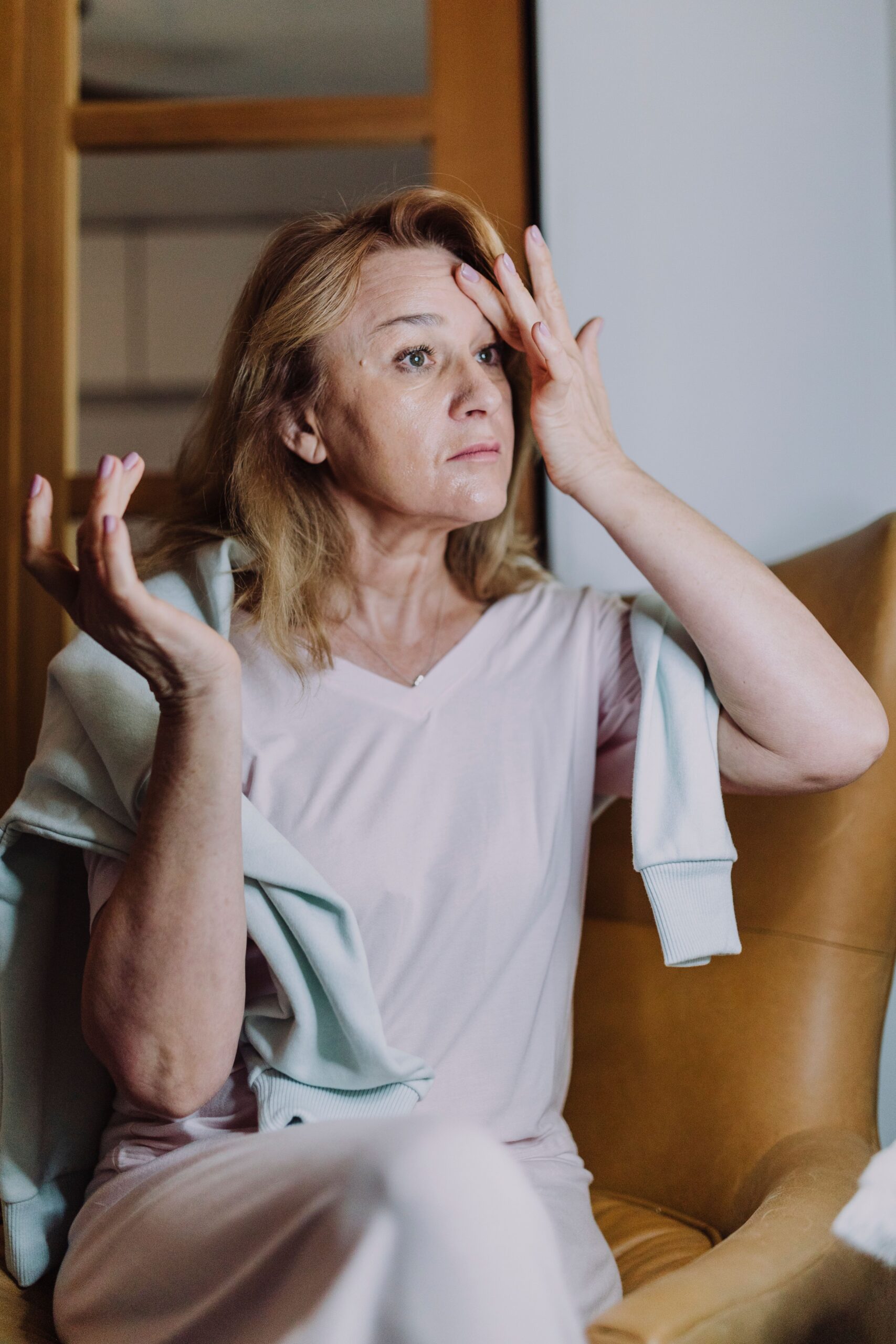
Menopause doesn’t have to define your life. With the right information, personalised treatment and ongoing support, many menopausal symptoms can be effectively managed and quality of life improved.
If you’re experiencing hot flushes, night sweats, sleep difficulties, mood changes, brain fog, changes in your periods, vaginal or urinary symptoms, or other changes associated with perimenopause or menopause, seeking specialist advice can help you understand what is happening and explore your options.
A personalised assessment can help identify the most appropriate approach for you, including lifestyle changes, HRT and other treatment options, ensuring you receive the support and care that is right for your individual needs.

Dr Fateh Ghazal GMC: 6047927

Dr Lina Antoun GMC: 7060000

Prof Tony Thomas GMC: 6069916

5 Star Experience
“Your Health provided exceptional support throughout my menopause journey. I finally felt listened to, understood and taken seriously. The team took the time to explain my symptoms, treatment options and next steps clearly, giving me confidence in managing this stage of my life.
I’m incredibly grateful for the personalised care and support I received and would highly recommend Your Health.”
Sarah M.

What Is Menopause?
Menopause occurs when a woman has not had a menstrual period for 12 consecutive months and there is no other medical explanation for the absence of periods.
The transition leading up to menopause is called perimenopause. During this time, hormone levels can fluctuate significantly and periods may become irregular before eventually stopping.
Menopause most commonly occurs between the ages of 45 and 55, although the timing varies between individuals.
Menopause Can Affect More Than Your Periods
Changes in oestrogen and other reproductive hormones can affect multiple systems within the body.
Symptoms may include changes affecting:
- Menstrual cycles
- Temperature regulation
- Sleep
- Mood and emotional wellbeing
- Memory and concentration
- Sexual health
- Vaginal and urinary health
- Muscles and joints
- Skin and hair
- Cardiovascular and bone health
Menopause is a normal life stage, but that does not mean you should simply accept symptoms that are affecting your quality of life.
Common Symptoms of Menopause
Every woman experiences menopause differently. Some have very few symptoms, while others experience multiple symptoms that can significantly affect daily life.
Signs and Symptoms of Menopause

Menstrual & Physical Symptoms
- Irregular or changing periods
- Hot flushes
- Night sweats
- Headaches or migraines
- Palpitations
- Breast tenderness
- Joint and muscle aches
- Changes in body composition
- Reduced energy

Sleep & Whole-Body Symptoms
- Difficulty falling asleep
- Waking during the night
- Night sweats
- Persistent tiredness
- Reduced energy
- Brain fog
- Difficulty concentrating
- Memory changes

Emotional & Psychological Symptoms
- Low mood
- Anxiety
- IrritabilityMood changes
- Reduced confidence
- Feeling overwhelmed
- Changes in motivation
These symptoms can sometimes be mistaken for stress, anxiety or other health conditions.

Sexual & Genitourinary Symptoms
- Reduced libido
- Vaginal dryness
- Vaginal discomfort
- Pain during sex
- Reduced sexual sensation
- Urinary urgency
- Recurrent urinary tract infections
These symptoms are common but are not something you simply have to put up with. Effective treatments are available.

Why Menopause Can Be Difficult to Recognise
Menopause symptoms can be different for everyone and may develop gradually.
Some women experience predominantly physical symptoms, while others notice changes in their mood, sleep, concentration or sexual health before their periods change significantly.
Symptoms can also overlap with other conditions, including:
- Thyroid disorders
- Anaemia
- Vitamin deficiencies
- Anxiety and depression
- Sleep disorders
- Other hormonal conditions
This is why an individual assessment can be helpful, particularly when symptoms are unusual, severe or difficult to explain.are improving.
How Is Menopause Diagnosed?
For many women aged 45 or over, perimenopause and menopause can be diagnosed based on symptoms and changes in the menstrual cycle.
Do I Need a Blood Test?
Not necessarily.
Hormone levels can fluctuate significantly during perimenopause, meaning that a single blood test may not accurately reflect what is happening hormonally.
Your clinician may recommend blood tests when:
- You are under 45
- Menopause is suspected at an unusually early age
- Your symptoms are unclear
- Another medical condition needs to be excluded
- Your clinical history requires further investigation
A personalised assessment helps determine whether investigations are appropriate


Keeping a Symptom Diary
Tracking your symptoms can be incredibly helpful before your appointment.
Consider recording:
- Period dates and changes
- Hot flushes
- Night sweats
- Sleep quality
- Mood
- Anxiety
- Energy levels
- Brain fog
- Headaches
- Libido
- Vaginal or urinary symptoms
- Medications and supplements
This can help your healthcare professional identify patterns and understand how symptoms are affecting your quality of life.s.
Treatment Options
Treatment should always be personalised to your symptoms, medical history, age, preferences and individual risk factors.
The aim is not simply to treat a hormone level. The aim is to help you feel well and support your health throughout the menopause transition and beyond.
Hormone Replacement Therapy (HRT)
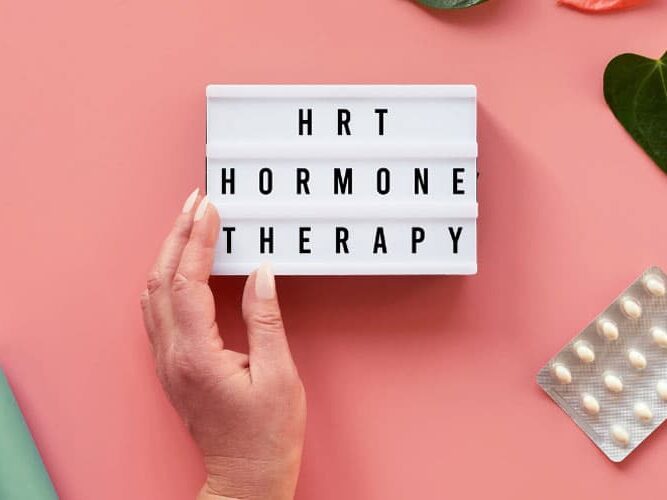
HRT replaces hormones that the body is producing at lower levels during and after menopause.
For many women, HRT can be an effective treatment for menopausal symptoms.
HRT May Help With:
- Hot flushes
- Night sweats
- Sleep disturbance
- Mood symptoms associated with menopause
- Vaginal and urinary symptoms
- Some forms of joint and muscle discomfort
- Menopause-related quality-of-life changes
HRT can also have important benefits for bone health, particularly when menopause occurs earlier than expected.
Types of HRT
HRT can be prescribed in different forms, including:
- Tablets
- Patches
- Gels
- Sprays
- Vaginal preparations
- Hormonal intrauterine systems such as Mirena®
The most appropriate option depends on your individual circumstances.ire adjustment over time.

Oestrogen and Progesterone
Women who have a uterus generally need both oestrogen and a progestogen when using systemic HRT, unless they have had their uterus removed or have another specific clinical reason not to require progestogen.
The progestogen protects the lining of the womb from the effects of oestrogen.
Your clinician can discuss continuous and sequential HRT options and help determine which approach is most appropriate.

Vaginal Oestrogen
Low-dose vaginal oestrogen can be particularly helpful for symptoms affecting the vagina and urinary tract.
It may improve:
- Vaginal dryness
- Vaginal irritation
- Pain during sex
- Urinary symptoms
- Recurrent urinary tract infections in some women
Unlike systemic HRT, vaginal oestrogen is used locally and only a small amount is absorbed into the bloodstream.
Your clinician can advise whether this is appropriate for you.
Is HRT Safe?
HRT is an effective treatment for many women, but it is not suitable for everyone.
The potential benefits and risks depend on factors including:
- Your age
- When menopause occurred
- Type of HRT
- Dose and duration
- Personal medical history
- Family history
- Other medications and health conditions
Your clinician should discuss the benefits and potential risks with you so that you can make an informed decision.
There is no single HRT option that is right for every woman.

Menopause and Bone Health
Oestrogen plays an important role in maintaining healthy bones.
As oestrogen levels fall during menopause, bone loss can accelerate, increasing the risk of osteoporosis and fractures over time.
Supporting bone health includes:
- Weight-bearing exercise
- Resistance training
- Adequate calcium intake
- Vitamin D
- Maintaining a healthy body weight
- Avoiding smoking
- Keeping alcohol intake within recommended limits
Some women may require additional assessment of their bone health depending on their age and individual risk factors.
Menopause and Cardiovascular Health
Menopause is also an important time to consider long-term cardiovascular health.
Healthy lifestyle habits can include:
- Regular physical activity
- A balanced diet
- Maintaining a healthy weight
- Not smoking
- Managing blood pressure
- Managing cholesterol
- Maintaining good sleep
- Managing stress
Your healthcare professional can advise whether additional cardiovascular assessment is appropriate for you.

Menopause and Sexual Health
Changes in hormones during menopause can affect sexual desire, arousal and comfort.
Reduced libido may be influenced by:
- Hormonal changes
- Vaginal dryness
- Pain during sex
- Sleep disruption
- Stress
- Changes in mood
- Relationship factors
- Medication
There is no need to feel embarrassed about discussing sexual health. It is an important part of overall wellbeing.
Treatment may include vaginal oestrogen, lubricants, moisturisers, HRT or other personalised approaches depending on the underlying cause/
Lifestyle Support During Menopause
Lifestyle changes cannot necessarily prevent menopausal symptoms, but they can support overall health and may help some women manage symptoms.
Regular Exercise
A combination of aerobic activity, resistance training and weight-bearing exercise can support:
- Cardiovascular health
- Bone strength
- Muscle mass
- Energy levels
- Mood
- Sleep
Nutrition
A varied and balanced diet can support health throughout menopause.
Focus on:
- Adequate protein
- Calcium-rich foods
- Fruit and vegetables
- Wholegrains
- Healthy fats
- Adequate hydration
There is no single “menopause diet” that works for everyone.
Sleep
Poor sleep is common during perimenopause and menopause.
Helpful strategies may include:
- Maintaining a regular sleep routine
- Keeping the bedroom cool
- Reducing caffeine later in the day
- Limiting alcohol
- Regular physical activity
- Addressing night sweats and other symptoms
If sleep problems persist, discuss them with your healthcare professional.

Early Menopause and Premature Ovarian Insufficiency
Menopause before the age of 45 is considered early menopause.
Menopause before the age of 40 is known as premature ovarian insufficiency (POI).
Early loss of ovarian hormones can have implications for:
- Bone health
- Cardiovascular health
- Fertility
- Sexual health
- Emotional wellbeing
Women experiencing menopause symptoms at a younger age should seek medical assessment so that the cause can be investigated and appropriate treatment discussed.
When Should I See a Menopause Specialist?
You may benefit from specialist support if:
- Your symptoms are significantly affecting your quality of life
- You are unsure whether your symptoms are related to menopause
- You are considering starting HRT
- Your current HRT is not controlling your symptoms
- You are experiencing troublesome side effects
- You have complex medical or gynaecological history
- You have experienced early or premature menopause
- You have questions about the risks and benefits of HRT
- You have persistent vaginal or urinary symptoms
- You want personalised advice about managing menopause
A specialist consultation can provide time to discuss your symptoms, health history, treatment options and individual priorities.he cause can be investigated and appropriate treatment discussed.
Personalised Menopause Support at Your Health
Personalised Menopause Support at Your Health
Menopause is a normal life transition — but struggling with symptoms does not have to be.
At Your Health, we provide personalised menopause and women’s health consultations designed to help you understand your symptoms, explore your treatment options and make informed decisions about your care.
Our approach focuses on you as an individual, rather than simply treating a list of symptoms.
A consultation may include:
- Detailed discussion of your symptoms
- Review of your menstrual and medical history
- Assessment of your individual risk factors
- Discussion of HRT and non-hormonal options
- Review of existing HRT
- Advice about vaginal and urinary symptoms
- Lifestyle and long-term health advice
- Appropriate investigations where clinically indicated
- A personalised treatment plan
Clear Answers. Confident Next Steps.
You do not have to navigate menopause alone.
Whether you are experiencing your first symptoms, considering HRT, struggling to find the right treatment or simply want reassurance and personalised advice, specialist support can help you understand your options.
Your Health Shop
Support your health beyond your consultation with carefully selected products to help manage symptoms, support wellbeing and improve everyday quality of life.
Discover products chosen to complement your personalised care.
Simple. Practical. Supporting you every step of the way.
Cooling Patches
Discreet, non-hormonal cooling patches for hot flushes and overheating.
FloEaze Tens Machine
Discreet, drug-free TENS support for period and endometriosis pain
Product Name and Image
A non-invasive saliva-based test designed to support the diagnosis of endometriosis
Visiting Our Sutton Coldfield Clinic
Conveniently located our clinic is easily accessible with strong local travel links, making it straightforward to reach from Sutton Coldfield and the surrounding areas including Four Oaks, Little Aston, Wylde Green, Boldmere, Tamworth, Lichfield, Erdington, and Aldridge.
Get Directions
Ashfurlong Medical Centre
233 Tamworth Road
Sutton Coldfield
West Midlands
B75 6DX
Car parking and accessible access are available.
Public Transport: Access from Four Oaks Railway Station or Sutton Coldfield Train Station.
Menopause Support: Charities & Organisations
Living with endometriosis can affect much more than physical health. Patients may need support with diagnosis, treatment choices, pain management, fertility, relationships, emotional wellbeing, work and everyday life.
The organisations below provide trusted information, practical resources and, in some cases, peer or emotional support. They can be useful alongside the care and advice provided by your healthcare team.
Provides menopause information, education and support, helping women understand symptoms, treatment options and the menopause transition.
TThe patient arm of the British Menopause Society, providing independent, evidence-based information about menopause, women’s health and post-reproductive health.
A UK charity specifically supporting women with Premature Ovarian Insufficiency (POI) and early menopause, offering information, peer support and psychological support.
NHS – Menopause & Perimenopause Support
Provides reliable information about menopause and signposts patients to national charities and support networks.
An independent information resource covering menopause, menopausal symptoms and treatment options. It is also listed by the British Menopause Society among trusted information resources for women
Frequently Asked Questions
Perimenopause is the transition leading up to menopause, when hormone levels fluctuate and periods may become irregular. You may experience symptoms such as hot flushes, night sweats, mood changes, sleep problems and brain fog. Menopause is reached when you have not had a menstrual period for 12 consecutive months, provided there is no other medical explanation.
Menopause symptoms vary from woman to woman and can change over time. Common symptoms include hot flushes, night sweats, sleep difficulties, fatigue, mood changes, anxiety, brain fog, headaches, joint and muscle aches, reduced libido, vaginal dryness and changes to periods.
Not always. For women aged 45 or over, menopause and perimenopause can usually be diagnosed based on symptoms and changes to the menstrual cycle. Hormone levels fluctuate during perimenopause, so a single blood test may not provide a reliable picture. Blood tests may be considered in younger women or where the diagnosis is uncertain.
Hormone replacement therapy (HRT) replaces hormones that decline during menopause and can be an effective treatment for many menopausal symptoms. Whether HRT is suitable depends on your symptoms, age, medical history, risk factors and personal preferences. Your healthcare professional can discuss the potential benefits and risks and help you choose the most appropriate option.
Yes. Changes in hormone levels can affect libido, vaginal lubrication and comfort during sex. Vaginal dryness, discomfort or pain during sex can occur during and after menopause. Treatments such as vaginal oestrogen, lubricants, moisturisers and, where appropriate, systemic HRT may help. These symptoms are common and worth discussing with your healthcare professional.
You may benefit from specialist advice if your symptoms are affecting your quality of life, you are considering HRT, your current treatment is not working well, you are experiencing troublesome side effects, or you have experienced early or premature menopause. A personalised consultation can help you understand your symptoms and explore the treatment options available to you.