

Private Treatment for Heavy Periods | Sutton Coldfield & Online
Heavy periods can have a significant impact on your everyday life, affecting your energy, work, social activities, relationships and overall well-being. You do not have to simply put up with heavy or disruptive bleeding.
With the right assessment, it is often possible to identify the underlying cause and explore treatments that can reduce bleeding and improve your quality of life. Visit our clinic in Sutton Coldfield, close to Birmingham.
Understanding Heavy Menstrual Bleeding
Heavy menstrual bleeding (HMB), sometimes referred to as menorrhagia, means menstrual bleeding that is excessive or prolonged enough to affect your physical, emotional, social or material quality of life.
There is no single amount of blood loss that defines a heavy period. What matters is how your bleeding affects you.
You may notice that you:
- Need to change sanitary protection very frequently
- Bleed through clothing or bedding
- Need to use more than one type of sanitary protection
- Pass large blood clots
- Have periods lasting longer than usual
- Avoid work, exercise or social activities because of your period
- Feel exhausted or short of breath
- Plan your day around access to toilets or changing facilities
Heavy bleeding can occur on its own or alongside symptoms such as pelvic pain, painful periods or irregular bleeding.

Supporting Your Health Through Your Menstrual Health
Heavy periods don’t have to disrupt your life. With the right information, personalised treatment and ongoing support, heavy menstrual bleeding can often be managed effectively and quality of life improved.
If you’re experiencing heavy or prolonged periods, passing large clots, bleeding through clothing or bedding, or feeling tired and low in energy as a result of your bleeding, seeking specialist advice can help identify the possible cause.
A personalised assessment can help guide diagnosis, explore your treatment options and ensure you receive the care and support that’s right for you.

Dr Fateh Ghazal GMC: 6047927

Dr Lina Antoun GMC: 7060000

Prof Tony Thomas GMC: 6069916

5 Star Experience
“Your Health provided exceptional support throughout my journey with heavy periods. After struggling with heavy bleeding for so long, it was such a relief to finally feel listened to, understood and taken seriously. The team took the time to explain the possible causes, discuss my treatment options and support me in making the right decisions for my health.
I’m incredibly grateful for the compassionate and personalised care I received and would highly recommend Your Health.”
Aisha K.

What Causes Heavy Periods?
There are many possible causes of heavy menstrual bleeding. Sometimes no specific cause is identified, while in other cases there may be an underlying gynaecological condition.
Possible causes include:
- Fibroids
- Adenomyosis
- Endometriosis
- Endometrial polyps
- Hormonal changes
- Polycystic ovary syndrome (PCOS)
- Thyroid disorders
- Bleeding disorders
- Certain medications
- Changes associated with perimenopause
Heavy bleeding can also occur after pregnancy or during times when your menstrual cycle is changing.
Understanding the possible cause can help guide the most appropriate treatment.ions.
Symptoms of Heavy Menstrual Bleeding
Heavy periods can look different for everyone.
You May Experience

Heavy or Prolonged Bleeding
- Very heavy menstrual flow
- Periods lasting longer than 7 days
- Passing large blood clots
- Bleeding through sanitary protection
- Needing to change protection frequently
- Flooding or sudden heavy bleeding

Symptoms Caused by Blood Loss
Heavy bleeding can contribute to iron deficiency and anaemia.
Symptoms may include:
- Tiredness
- Low energy
- Weakness
- Dizziness
- Headaches
- Shortness of breath
- Reduced ability to exercise
- Difficulty concentrating
If you are experiencing these symptoms alongside heavy periods, it is important to discuss them with your healthcare professional.

When Should Heavy Periods Be Investigated?
If your periods are affecting your quality of life, it is reasonable to seek medical advice.
You should consider an assessment if:
- Your periods have become significantly heavier
- You regularly bleed through clothing or bedding
- You pass large blood clots
- Your periods are lasting longer than usual
- You experience significant period pain
- You have bleeding between periods
- You experience bleeding after sex
- You feel tired or unwell during or after your periods
- Heavy bleeding is affecting your work, relationships or social life
- Your symptoms have changed suddenly
Heavy bleeding is common, but it is not something you simply have to accept.
How Are Heavy Periods Diagnosed?
Your assessment will usually begin with a detailed discussion about your symptoms, menstrual cycle and medical history.
Your clinician may ask about:
- How often you have periods
- How long your periods last
- How heavy your bleeding is
- Whether you pass clots
- Pain associated with your periods
- Bleeding between periods
- Bleeding after sex
- Your medications
- Your medical and family history
- Whether you are planning a pregnancy
Keeping a menstrual diary can be useful before your appointment.

Investigations for Heavy Menstrual Bleeding
The investigations you need will depend on your symptoms and clinical history.
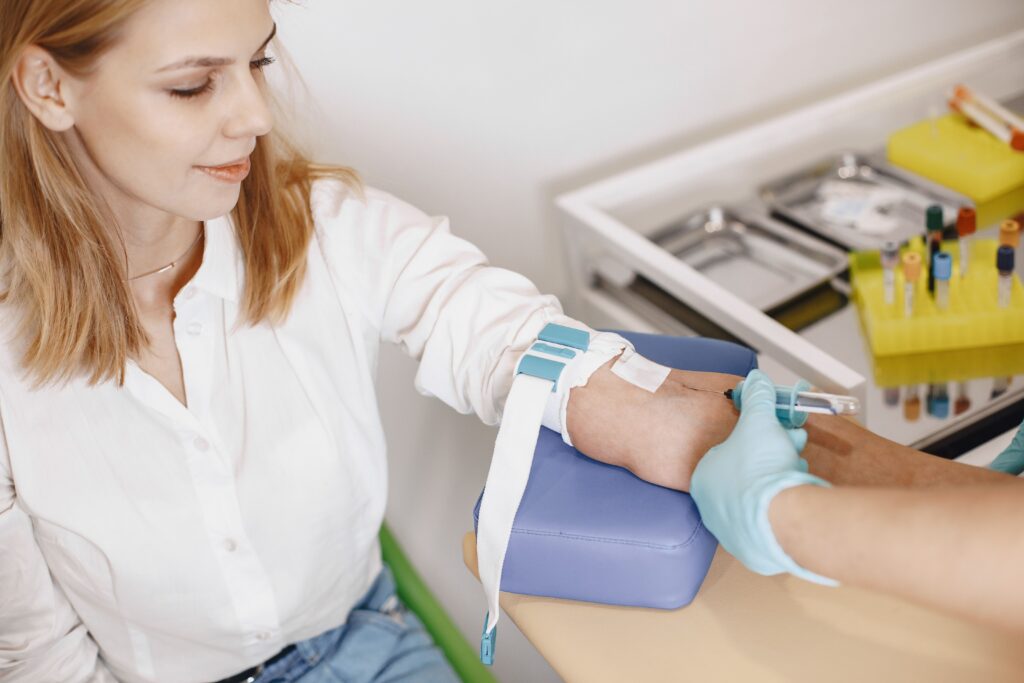
Blood Tests
HA full blood count is generally recommended for women with heavy menstrual bleeding to check for anaemia and other abnormalities. Further blood tests may be appropriate depending on your symptoms and medical history.
Iron levels may also be assessed where iron deficiency is suspected.

Ultrasound Scan
A pelvic or transvaginal ultrasound may be recommended to investigate possible causes such as:
- Other pelvic conditions.
- Fibroids
- Adenomyosis
- Ovarian abnormalities
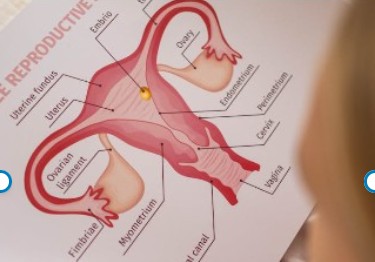
Hysteroscopy
A hysteroscopy involves using a small camera to look inside the womb.
It may be recommended when there is a possibility of problems within the uterine cavity, such as polyps or submucosal fibroids, particularly where there is abnormal bleeding between periods or other relevant risk factors.
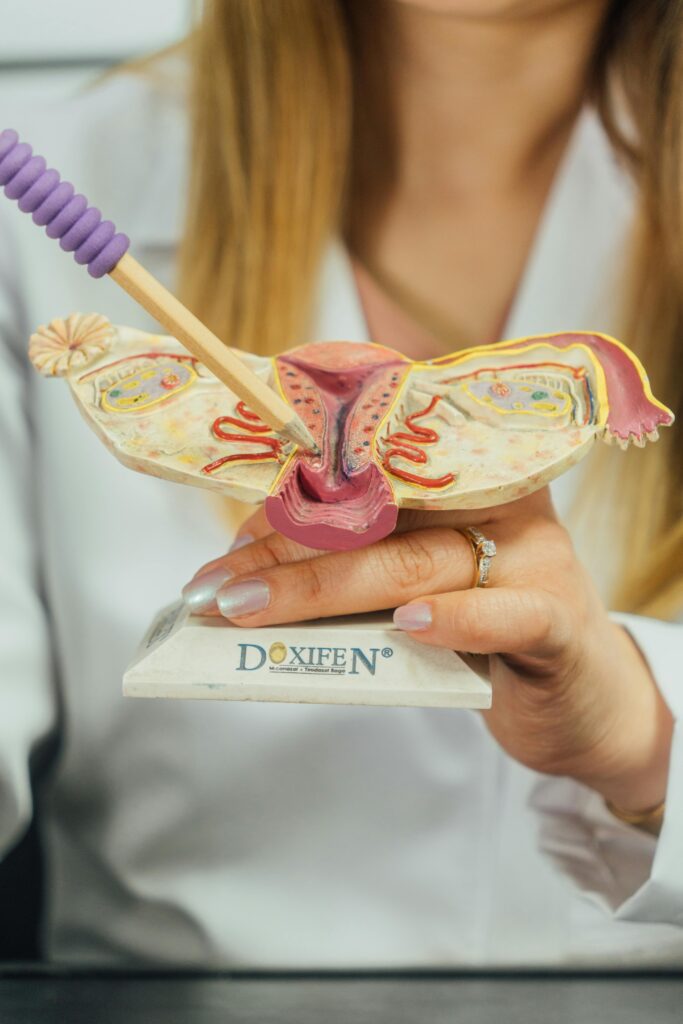
Endometrial Biopsy
In some circumstances, a sample of the womb lining may be recommended to investigate abnormal bleeding.
Your clinician will explain whether this is appropriate based on your symptoms and individual risk factors.
Visiting Our Sutton Coldfield Clinic
Conveniently located our clinic is easily accessible with strong local travel links, making it straightforward to reach from Sutton Coldfield and the surrounding areas including Four Oaks, Little Aston, Wylde Green, Boldmere, Tamworth, Lichfield, Erdington, and Aldridge.
Get Directions
Ashfurlong Medical Centre
233 Tamworth Road
Sutton Coldfield
West Midlands
B75 6DX
Car parking and accessible access are available.
Public Transport: Access from Four Oaks Railway Station or Sutton Coldfield Train Station.
Treatment for Heavy Periods
There is no single treatment that is right for everyone.
Treatment depends on:
- The likely cause of your bleeding
- Your age
- Your symptoms
- Your general health
- Whether you have pain
- Whether you want to become pregnant
- Whether you wish to avoid hormones
- Whether you want to retain your uterus
- Your personal preferences
NICE recommends discussing the benefits, risks and implications of different treatment options so that decisions can reflect each woman’s priorities and fertility plans.

Non-Hormonal Treatment
Non-hormonal treatments may be suitable for some women, particularly those who do not want hormonal treatment or are trying to conceive.
Options may include:
- Tranexamic acid
- Non-steroidal anti-inflammatory drugs (NSAIDs)
These can help reduce menstrual blood loss and, depending on the treatment, may also help with period pain.
Your clinician can advise whether these treatments are appropriate for you

Hormonal Treatment
Hormonal treatments can be effective in reducing heavy menstrual bleeding.
Options may include:
- Hormonal intrauterine systems such as Mirena®
- Combined hormonal contraception
- Progestogen-only contraception
- Other hormonal treatments where appropriate
A hormonal intrauterine system (LNG-IUS) is one of the treatment options recommended by NICE for women with HMB in appropriate circumstances. Women should be advised that bleeding patterns can change during the first few months and that it can take several cycles to see the full benefit.
Mirena® for Heavy Periods
The Mirena® intrauterine system releases a progestogen directly into the womb and can significantly reduce menstrual bleeding for many women.
It may be particularly useful if you:
- Want highly effective contraception
- Want to reduce heavy periods
- Prefer a long-acting treatment
- Want to avoid taking daily medication
Your clinician will discuss whether Mirena® is appropriate for you and explain what to expect following insertion.and medical treatment.
Treatment for Fibroids, Polyps and Other Conditions
If your heavy bleeding is caused by an underlying condition, treating that condition may help reduce your symptoms.
Depending on the cause, treatment may include:
- Medication
- Hysteroscopic treatment
- Removal of fibroids or polyps
- Uterine artery embolisation
- Myomectomy
- Endometrial ablation
- Hysterectomy
The appropriate option depends on your diagnosis, symptoms, fertility plans and personal preferences.
Heavy Periods and Iron Deficiency
Regular heavy blood loss can reduce your body’s iron stores and may contribute to iron deficiency or iron-deficiency anaemia.
If you experience persistent tiredness, weakness, dizziness or breathlessness alongside heavy periods, speak to your healthcare professional.
Where iron deficiency is identified, treatment may include dietary advice and iron supplementation alongside addressing the cause of the bleeding.
Heavy Periods and Fertility
Heavy bleeding can sometimes be associated with conditions that may also affect fertility, such as fibroids, endometriosis or adenomyosis.
If you are trying to conceive, tell your clinician before starting treatment.
Some treatments for heavy bleeding are contraceptive or may affect your ability to become pregnant, while others may be suitable when pregnancy is being considered.
Your fertility plans should form an important part of treatment decisions.

Living With Heavy Periods
Heavy periods can affect far more than your menstrual cycle.
You may find yourself:
- Avoiding exercise
- Missing work or education
- Cancelling social plans
- Worrying about leaking
- Feeling exhausted
- Struggling to sleep
- Planning activities around your period
- Feeling anxious about leaving home
Your symptoms are important, even if your bleeding is considered “normal” by someone else.
Treatment should focus not only on reducing blood loss but also on helping you regain confidence and quality of life.
When Should I See a Gynaecologist?
Consider seeking specialist advice if:
- Your periods are significantly affecting your quality of life
- Treatment from your GP has not helped
- You have persistent heavy bleeding
- You have severe period pain
- You have bleeding between periods
- You have bleeding after sex
- You have suspected fibroids, adenomyosis or endometriosis
- You have symptoms of anaemia
- You are considering a procedure
- You are trying to conceive
- You want to discuss your treatment options in more detail
A specialist assessment can help establish the likely cause of your symptoms and provide a personalised treatment plan.
Your Health Shop
Support your health beyond your consultation with carefully selected products to help manage symptoms, support well-being and improve everyday quality of life.
Discover products chosen to complement your personalised care.
Simple. Practical. Supporting you every step of the way.
Cooling Patches
Discreet, non-hormonal cooling patches for hot flushes and overheating.
FloEaze TENS Machine
Discreet, drug-free TENS support for period and endometriosis pain.
Ziwig Endotest
A non-invasive saliva-based test designed to support the diagnosis of endometriosis.
Heavy Bleeding Support: Charities & Organisations
Living with heavy menstrual bleeding can affect much more than your periods. It can impact your energy levels, work, social life, relationships, emotional well-being and everyday activities.
The organisations below provide trusted information, practical resources and, in some cases, peer or emotional support. They can be a valuable source of additional guidance alongside the care and advice provided by your healthcare team.
A UK women’s health charity covering menstrual health, heavy menstrual bleeding, endometriosis, fibroids and other gynaecological conditions. Its Just a Period campaign provides information and signposting for women experiencing heavy bleeding and period problems.
Provides information, support groups, online support and a helpline for people affected by endometriosis. This is particularly relevant where heavy periods occur alongside pelvic pain or other symptoms suggestive of endometriosis.
Provides information and support for people affected by uterine fibroids, a common cause of heavy menstrual bleeding. Resources include information about fibroids, treatment options and practical support
Adenomyosis Advice Association
Provides information and support for people living with adenomyosis, which can cause heavy or prolonged periods, pelvic pain and other menstrual symptoms.
A useful trusted source of information about heavy periods, possible causes, investigations and treatment options. NICE guidance emphasises that heavy menstrual bleeding should be assessed according to its impact on quality of life and that treatment should reflect the individual’s priorities and preferences.
Frequently Asked Questions
There is no specific amount of blood loss that defines a heavy period. Heavy menstrual bleeding is generally considered bleeding that is excessive or prolonged enough to affect your quality of life. You may notice that you need to change sanitary protection frequently, bleed through clothes or bedding, pass large clots or avoid normal activities because of your periods.
There are many possible causes, including fibroids, adenomyosis, endometriosis, hormonal changes, polyps, thyroid problems and certain medications. Sometimes no specific cause is identified. A specialist assessment can help determine whether there is an underlying condition causing your heavy bleeding.
Yes. Regular heavy blood loss can lead to iron deficiency and anaemia, which may cause tiredness, weakness, dizziness, headaches, breathlessness and reduced energy. A blood test can help assess whether anaemia is contributing to your symptoms.
Your assessment will usually include a detailed discussion about your menstrual cycle, symptoms and medical history. Depending on your symptoms, investigations may include blood tests, an ultrasound scan or hysteroscopy. The appropriate investigations will be tailored to your individual circumstances.
Treatment depends on the cause of the bleeding, your symptoms and your personal preferences. Options may include non-hormonal medication such as tranexamic acid, hormonal treatments such as the Mirena® intrauterine system, contraception, or procedures to treat conditions such as fibroids or polyps. Your fertility plans will also be considered when choosing treatment.
Consider seeking specialist advice if your periods are affecting your quality of life, you regularly bleed through clothes or bedding, pass large clots, experience significant pain, have bleeding between periods or after sex, or feel persistently tired or unwell. Specialist assessment can help identify the cause and provide a personalised treatment plan.