

Private Assessment for Irregular & Unexpected Bleeding | Sutton Coldfield & Online
Irregular bleeding can be unsettling, particularly when your periods suddenly change or you experience bleeding between periods or after sex.
While changes to your menstrual cycle are common and can sometimes be related to hormonal fluctuations, irregular bleeding can also be caused by conditions affecting the womb, cervix, ovaries or hormones.
Understanding why your bleeding has changed can help you access the right investigation and treatment.
Understanding Irregular Bleeding
A menstrual cycle does not always follow an exact pattern, and some variation can be normal. However, bleeding that is significantly different from your usual pattern may need further assessment.
Irregular bleeding can include:
- Bleeding between periods
- Bleeding after sex
- Periods that become unexpectedly frequent
- Periods that become unusually infrequent
- Bleeding that lasts longer than usual
- Unpredictable bleeding
- Spotting between periods
- Bleeding after the menopause
- Changes in bleeding associated with contraception or HRT
The cause is often treatable, but it is important to establish why the bleeding is occurring.

Supporting Your Health Through Your Menstrual Health
Irregular bleeding don’t have to disrupt your life. With the right information, personalised treatment and ongoing support, irregular bleeding can often be managed effectively and quality of life improved.
A personalised assessment can help guide diagnosis, explore your treatment options and ensure you receive the care and support that’s right for you.

Dr Fateh Ghazal GMC: 6047927

Dr Lina Antoun GMC: 7060000

Prof Tony Thomas GMC: 6069916

5 Star Experience
“Your Health provided exceptional support throughout my journey with irregular bleeding. After experiencing unpredictable bleeding for so long, it was such a relief to finally feel listened to, understood and taken seriously. The team took the time to explain the possible causes, discuss my treatment options and give me confidence in making the right decisions for my health.
I’m incredibly grateful for the compassionate and personalised care I received and would highly recommend Your Health.”
Priya S.

What Causes Irregular Bleeding?
There are many possible causes of irregular bleeding.
These can include:
- Hormonal fluctuations
- Perimenopause
- Hormonal contraception
- Intrauterine contraception
- Pregnancy-related causes
- Fibroids
- Polyps
- Adenomyosis
- Endometriosis
- Polycystic ovary syndrome (PCOS)
- Thyroid conditions
- Cervical changes
- Infections
- Certain medications
- Changes affecting the lining of the womb
In some cases, no significant underlying abnormality is found.
Your age, symptoms, medical history and pattern of bleeding will help determine whether further investigation is needed.
Types of Irregular Bleeding
Heavy periods can look different for everyone.
You May Experience

Bleeding Between Periods
Bleeding between your expected periods is sometimes referred to as intermenstrual bleeding.
This may appear as light spotting or more significant bleeding and can have a range of causes, including hormonal changes, contraception, polyps or other gynaecological conditions.
Persistent or unexplained bleeding between periods should be assessed.

Bleeding After Sex
Bleeding following sexual intercourse is known as postcoital bleeding.
It can occur for relatively simple reasons, such as cervical ectropion, but it can also be associated with infection, cervical polyps or changes affecting the cervix.
If you experience unexplained bleeding after sex, it is important to seek medical advice.
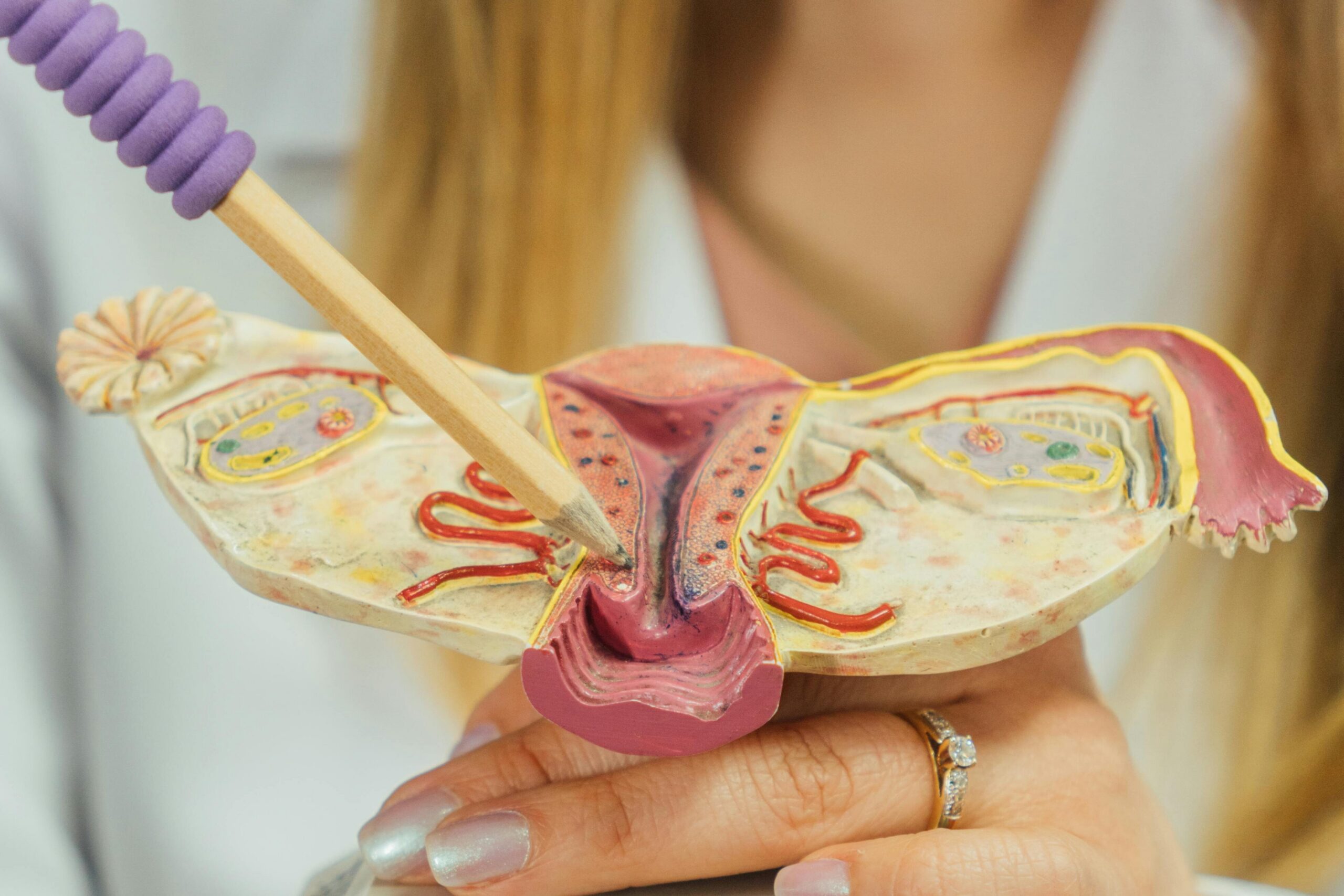
Irregular Periods
Your periods may become:
- More frequent
- Less frequent
- Longer
- Shorter
- Heavier
- Lighter
- More unpredictable
Changes can occur during puberty, after pregnancy, while using hormonal contraception and during perimenopause, but persistent changes may require investigation.

When Should Irregular Bleeding Be Investigated?
You should consider seeking medical advice if:
- Your usual menstrual pattern has changed significantly
- You regularly bleed between periods
- You bleed after sex
- Your periods have become significantly heavier
- Your periods are lasting longer than usual
- You experience bleeding after the menopause
- You have pelvic pain alongside abnormal bleeding
- You experience unusual vaginal discharge
- You have symptoms of anaemia such as persistent tiredness or dizziness
- You are concerned about a change in your bleeding pattern
Any new or unexplained bleeding after menopause should be assessed, even if the bleeding is light or occurs only once.ept.
How Is Irregular Bleeding Diagnosed?
Your assessment will begin with a detailed discussion about your symptoms and medical history.
Your clinician may ask about:
- Your usual menstrual cycle
- When the bleeding occurs
- How long it lasts
- How heavy the bleeding is
- Whether bleeding occurs after sex
- Any associated pain
- Your contraception
- Medications
- Pregnancy possibility
- Previous pregnancies
- Your smear history
- Your medical and family history
Keeping a menstrual and bleeding diary can be helpful before your appointment.

Investigations for Irregular Bleeding
The investigations you need will depend on your age, symptoms and individual circumstances.

Blood Tests
Blood tests may be recommended depending on your symptoms.
These can help investigate conditions such as:
- Anaemia
- Thyroid disorders
- Hormonal abnormalities
- Other medical causes of bleeding
Not everyone with irregular bleeding requires extensive blood testing.

Pelvic Ultrasound
A pelvic or transvaginal ultrasound may be recommended to assess the uterus, ovaries and surrounding pelvic structures.
It can help identify conditions such as:
- Fibroids
- Adenomyosis
- Ovarian cysts
- Endometrial abnormalities
- Other structural changes

Pregnancy Test
If pregnancy is possible, a pregnancy test may be recommended as part of the assessment..
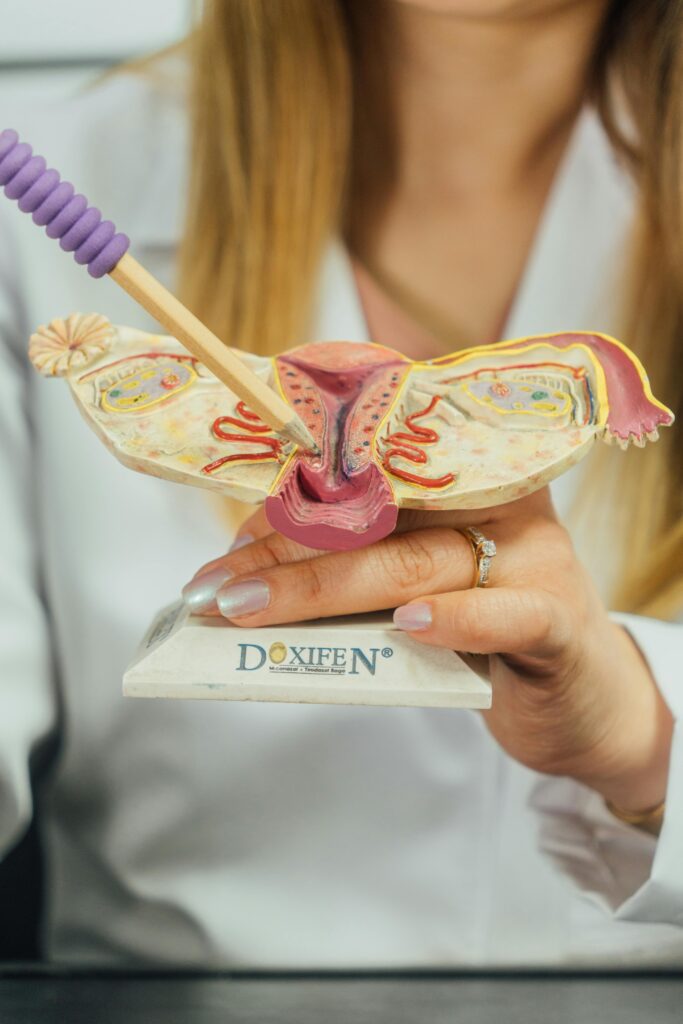
Cervical Assessment
If you experience bleeding after sex or have symptoms relating to the cervix, your clinician may recommend an examination of the cervix.
Your cervical screening should also be kept up to date in accordance with national guidance.

Hysteroscopy
A hysteroscopy involves passing a small camera through the cervix to examine the inside of the womb.
It may be recommended when there is concern about abnormalities within the uterine cavity, such as polyps or certain types of fibroids.
A hysteroscopy can sometimes allow diagnosis and treatment during the same procedure.
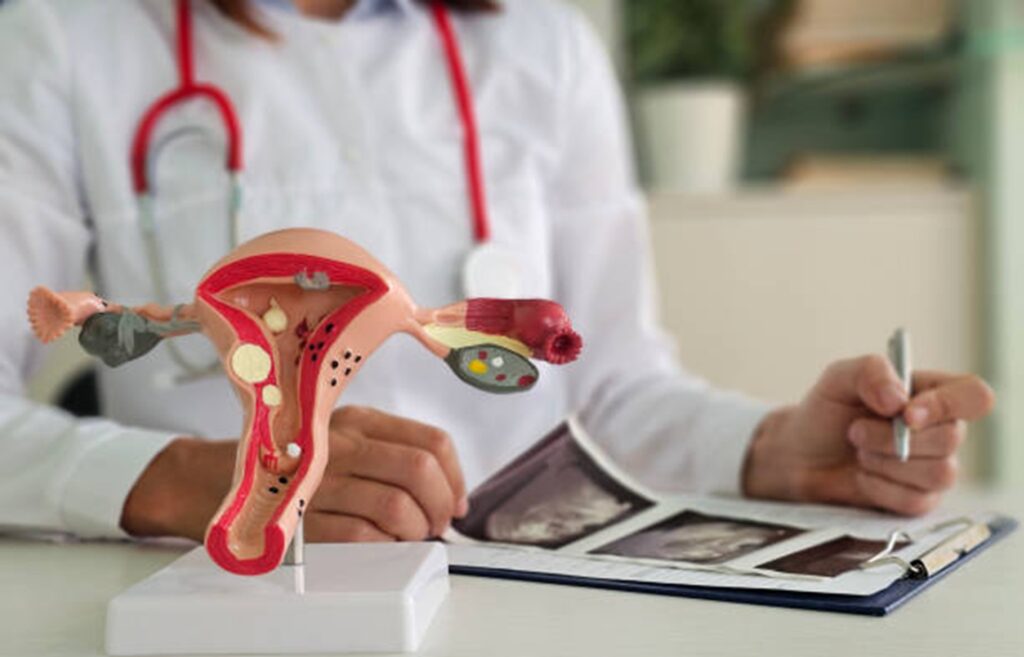
Endometrial Biopsy
In some circumstances, a sample of the womb lining may be recommended.
Whether this is appropriate depends on your symptoms, age, bleeding pattern and individual risk factors.
Irregular Bleeding and Hormonal Contraception
Changes in bleeding are common when starting or changing hormonal contraception.
This can include:
- Spotting
- Breakthrough bleeding
- Longer periods
- Unpredictable bleeding
- Changes in the amount of bleeding
These changes may settle over time, but persistent or troublesome bleeding should be discussed with your healthcare professional.
Your clinician can review whether your contraception remains the most suitable option for you.0
Irregular Bleeding and the Perimenopause
As you approach menopause, changing hormone levels can cause periods to become irregular.
You may experience:
- Longer or shorter cycles
- Heavier or lighter bleeding
- Missed periods
- Spotting
- Unpredictable bleeding
Although irregular periods are common during perimenopause, significant or persistent changes should not automatically be attributed to menopause without appropriate assessment.
Irregular Bleeding and HRT
Changes in bleeding can occur when starting or changing hormone replacement therapy (HRT).
Some bleeding can be expected during the early stages of certain HRT regimens, but unexpected or persistent bleeding should be discussed with your healthcare professional.
Your clinician can assess whether the bleeding is likely to be related to your HRT or whether further investigation is appropriate.
Irregular Bleeding After Menopause
Bleeding after menopause should always be assessed.
Postmenopausal bleeding means bleeding occurring after you have gone through menopause and have not had a period for at least 12 months.
It can have several causes, including vaginal or endometrial changes, polyps and other conditions.
Although many causes are benign, assessment is important to exclude more serious conditions.
Treatment for Irregular Bleeding
Treatment depends entirely on the underlying cause.
Depending on your diagnosis, treatment may include:
- Monitoring
- Changes to hormonal contraception
- Hormonal treatment
- Non-hormonal medication
- Treatment of infection
- Treatment of cervical abnormalities
- Removal of polyps
- Treatment of fibroids
- Treatment of underlying hormonal conditions
- Hysteroscopy
- Other surgical treatments where appropriate
There is no single treatment that is right for everyone.
Your treatment plan should consider your symptoms, medical history, fertility plans and personal preferences.
Irregular Bleeding and Fertility
Irregular bleeding can sometimes be associated with conditions that affect ovulation or fertility, including PCOS, thyroid disorders and other hormonal conditions.
If you are trying to conceive, this should be discussed during your assessment.
Understanding the cause of your irregular bleeding can help determine whether further fertility investigations or treatment may be appropriate.

Keeping a Bleeding Diary
Recording your bleeding can provide valuable information for your healthcare professional.
You may wish to record:
- The first and last day of each period
- Spotting between periods
- Bleeding after sex
- Amount of bleeding
- Clots
- Pain
- Medications
- Contraception
- Other symptoms
Apps can be useful, but a simple calendar or diary can work just as well.
When Should I See a Gynaecologist?
Consider specialist advice if:
- Your bleeding pattern has changed unexpectedly
- You have persistent bleeding between periods
- You experience bleeding after sex
- Your periods have become significantly heavier
- You have pelvic pain
- You have recurrent or unexplained spotting
- Your bleeding has not improved after changing contraception
- You have experienced bleeding after menopause
- You have concerns about your fertility
- You would like a specialist opinion about your symptoms
A gynaecological assessment can help establish the possible cause and determine whether further investigations or treatment are needed.
Visiting Our Sutton Coldfield Clinic
Conveniently located our clinic is easily accessible with strong local travel links, making it straightforward to reach from Sutton Coldfield and the surrounding areas including Four Oaks, Little Aston, Wylde Green, Boldmere, Tamworth, Lichfield, Erdington, and Aldridge.
Get Directions
Ashfurlong Medical Centre
233 Tamworth Road
Sutton Coldfield
West Midlands
B75 6DX
Car parking and accessible access are available.
Public Transport: Access from Four Oaks Railway Station or Sutton Coldfield Train Station.
Your Health Shop
Support your health beyond your consultation with carefully selected products to help manage symptoms, support wellbeing and improve everyday quality of life.
Discover products chosen to complement your personalised care.
Simple. Practical. Supporting you every step of the way.
Cooling Patches
Discreet, non-hormonal cooling patches for hot flushes and overheating.
FloEaze Tens Machine
Discreet, drug-free TENS support for period and endometriosis pain.
Ziwig Endotest
A non-invasive saliva-based test designed to support the diagnosis of endometriosis.
Irregular Bleeding Support: Charities & Organisations
Living with heavy menstrual bleeding can affect much more than your periods. It can impact your energy levels, work, social life, relationships, emotional wellbeing and everyday activities.
The organisations below provide trusted information, practical resources and, in some cases, peer or emotional support. They can be a valuable source of additional guidance alongside the care and advice provided by your healthcare team.
UK women’s health charity covering heavy menstrual bleeding, period problems, endometriosis, fibroids and other gynaecological conditions. Provides trusted information, education and awareness campaigns.
Provides information, support groups, online communities and a helpline for people affected by endometriosis, which can cause heavy and painful periods and abnormal bleeding.
PProvides information and support for women affected by uterine fibroids, a common cause of heavy and prolonged menstrual bleeding. Resources include fact sheets and explanations of medical terminology.
Provides peer support and information for women with PCOS, which can cause irregular or infrequent periods and sometimes heavy bleeding when periods occur.
UK gynaecological cancer charity providing information about abnormal vaginal bleeding, including bleeding between periods, after sex and after menopause, and encourages women to seek appropriate medical assessment.
Frequently Asked Questions
Irregular bleeding means bleeding that is different from your usual menstrual pattern. This may include bleeding between periods, bleeding after sex, periods that are unusually frequent or infrequent, prolonged bleeding, or unpredictable spotting. The cause can range from hormonal changes and contraception to conditions affecting the womb, cervix or ovaries.
There are many possible causes. These can include hormonal fluctuations, contraception such as the contraceptive pill or coil, polyps or fibroids, cervical changes, endometriosis or adenomyosis, thyroid problems, infections and changes around the perimenopause. Occasionally, irregular bleeding can be associated with changes in the lining of the womb, which may require further investigation.
You should seek medical advice if irregular bleeding is persistent, recurrent, becoming heavier, occurs after sex, or represents a significant change from your normal pattern. It is particularly important to have unusual bleeding assessed if you are pregnant, postmenopausal, or experiencing symptoms such as pelvic pain, dizziness or significant fatigue.
Your clinician will usually start by taking a detailed history of your bleeding pattern, menstrual cycle, contraception and other symptoms. Depending on your circumstances, investigations may include blood tests, a pregnancy test, cervical examination, vaginal or pelvic ultrasound, infection screening and assessment of the womb lining. In some cases, a hysteroscopy or endometrial biopsy may be recommended.
Yes. Irregular bleeding is relatively common with some forms of contraception, particularly during the first few months after starting or changing treatment. This can occur with the contraceptive pill, progesterone-only contraception, implants and intrauterine systems such as the Mirena. However, persistent or new bleeding should not automatically be attributed to contraception and may still need assessment.
Yes. Treatment depends on the underlying cause, your age, symptoms, fertility plans and personal circumstances. Options may include hormonal treatments, non-hormonal medication, treatment of infections, removal of polyps or fibroids, or procedures to investigate or treat abnormalities within the womb. The most appropriate treatment should be discussed with a healthcare professional after identifying the likely cause of the bleeding.