
Expert Cervical Care & HPV Management | Online & Sutton Coldfield Clinic
Personalised Cervical Care & Specialist Gynaecological Oversight at Our Sutton Coldfield Clinic & Online
Personalised Cervical Care Guided by Specialist Gynaecologists
Receiving a high-risk HPV (HR HPV) result can feel overwhelming. You may have been told your cytology is normal, or perhaps you’ve been discharged from colposcopy but still feel uncertain about what comes next.
At Your Health, we provide personalised, evidence-based support for women with persistent high-risk HPV infection.
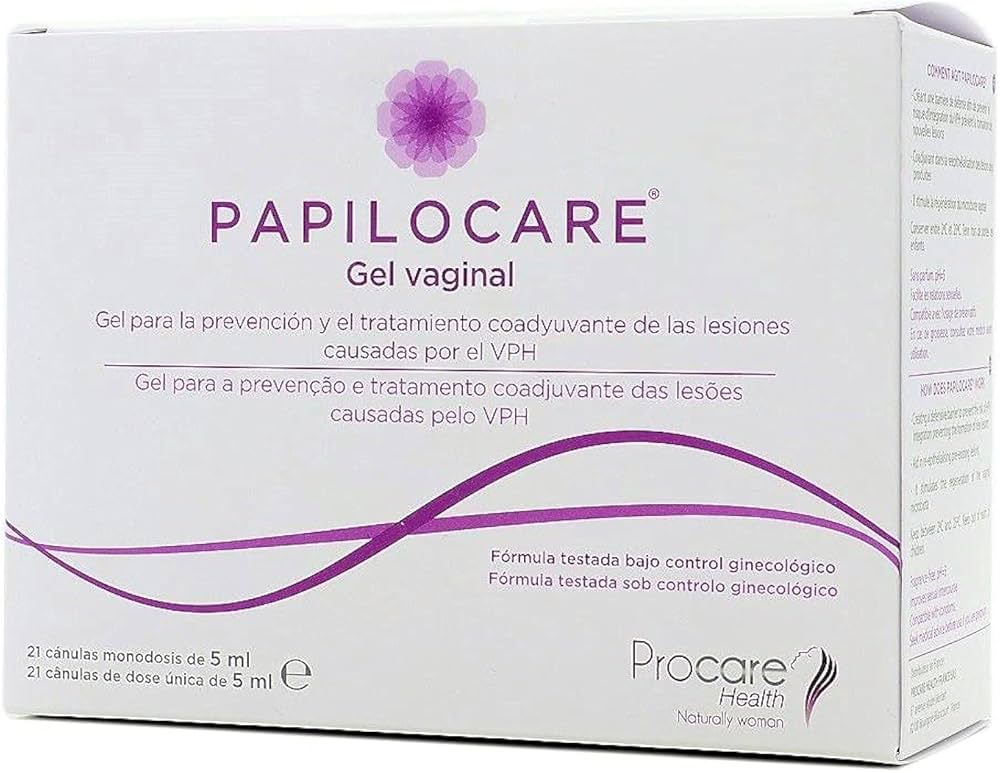
Our approach combines Consultant Gynaecologist review, clinical oversight, and supportive therapies including Papilocare®, helping you take proactive steps toward restoring and protecting your cervical health.
You are not alone — and there is a structured, supportive pathway forward.mptoms such as pelvic pain, painful periods or irregular bleeding.
Supporting Your Health Through Your Cervical Health
If you have received a positive HPV result, an abnormal cervical screening result, experienced bleeding after sex, unusual vaginal bleeding or discharge, or simply have concerns about your cervical health, seeking professional advice can help you understand what your results or symptoms may mean.
A personalised cervical health assessment can help review your symptoms and screening history, explain HPV and cervical cell changes, and guide you towards any further investigations, monitoring or treatment you may need.
With the right information, appropriate screening and ongoing support, you can take a proactive approach to protecting your cervical health and wellbeing.

Dr Fateh Ghazal GMC: 6047927

Dr Lina Antoun GMC: 7060000

Prof Tony Thomas GMC: 6069916

5 Star Experience
“After receiving a positive HPV result, I felt anxious and unsure about what it meant for my cervical health. Your Health made such a difference. I felt listened to, reassured and supported from the very beginning.
The team took the time to explain HPV clearly, talk me through my results and what the next steps might involve, without making me feel rushed or overwhelmed. Having clear information and knowing what options were available gave me much-needed reassurance and confidence.
I’m incredibly grateful for the kind, professional and personalised care I received and would highly recommend Your Health to anyone looking for support with HPV or their cervical health.”
Rachel T

Why Does Persistent High-Risk HPV Matter?
High-risk HPV only becomes dangerous if it remains in the body.
If persistent, it may:
- Cause abnormal cell changes
- Lead to precancerous cervical lesions
- Progress slowly (often over 10–20 years) toward cancer if untreated
This long timeframe means there is opportunity to intervene, support healing, and monitor safely.
A Personalised, Holistic Approach with Your Health
At Your Health, we specialise in supporting women who:
- Have tested positive for high-risk HPV
- Have negative cytology (no abnormal cells)
- Have had abnormal cytology but completed colposcopy treatment
- Have been discharged from NHS colposcopy services
- Want proactive cervical health support
Our care pathway begins with a Consultant Gynaecologist review of your cervical smear and screening results, ensuring your treatment plan is medically appropriate and individually tailored.
We combine:
✔ Specialist clinical oversight
✔ Holistic cervical support
✔ Evidence-based therapies

What is Papilocare® Vaginal Gel?
Papilocare® vaginal gel is a clinically studied, non-hormonal therapy designed to support cervical healing in women with HPV infection.
It is suitable for women over 18 who:
- Have started sexual activity
- Have confirmed HPV infection
- Have been reviewed by a healthcare professional
Papilocare® works to:
- Re-epithelialise the cervical transformation zone
- Support normalisation of low-grade intraepithelial lesions
- Restore vaginal microbiota balance
- Improve cervico-vaginal mucosal integrity
- Reduce vaginal dryness
- Promote overall cervical and vaginal health
Clinical studies suggest many women experience im
Your Personalised HPV Care Pathway
Step 1- Secure Online Clinical History
Complete your confidential online medical proforma and upload your latest cervical smear results.
Step 2 – Consultant Gynaecologist Review (Within 48 Hours)
Your results are reviewed by our specialist, who confirms suitability and creates a personalised care plan.
Step 3 – Tailored Treatment Plan
This may include:
- A 6-month Papilocare® vaginal gel course
- Standard or intensive regime (depending on clinical history)
Step 4 – Treatment Delivered to Your Door
Your therapy can be delivered securely in full or in staged supply, allowing you to begin treatment from the comfort of home.
Step 5 – Ongoing Monitoring & Support
We guide you through:
- Ongoing clinical support and reassurance
- HPV re-testing
Treatment Programme Overview
A typical Papilocare® course involves:
- Month 1: 21 applications
- Months 2–6: 11 applications per month
Two regimes are available:
- Standard (as above)
- Intensive (3 months daily, then 3 months alternate days)
Your exact plan is determined following specialist review.
Invest In Your Cervical Health
Our full structured pathway includes:
- Administrative and support services
- Initial triage and specialist review
- Full 6-month Papilocare® course
- Clinical oversight
- Ongoing monitoring
Total programme investment: £850.00
This includes product supply, clinical assessment, delivery and personalised oversight.so on helping you regain confidence and quality of life.
When Should I See a Gynaecologist?
Consider seeking specialist advice if:
- You have received a positive high-risk HPV result
- You have had an abnormal cervical screening (smear) result
- You have been advised that cervical cell changes have been identified
- You have persistent HPV and would like to understand what this means
- You have missed or are overdue for cervical screening
- You experience bleeding after sex
- You have bleeding between periods or unexplained vaginal bleeding
- You notice an unusual or persistent vaginal discharge
- You experience persistent pelvic discomfort or pain during sexYou have previously had treatment for abnormal cervical cells and would like further advice or follow-up
- You are feeling worried about an HPV result and would like your results and next steps explained
- You would like to discuss HPV, cervical screening, monitoring or further investigation in more detail
A specialist assessment can help review your symptoms, cervical screening history and previous results, explain what an HPV-positive or abnormal cervical screening result means, and determine whether further investigation, monitoring or referral is appropriate.
Your Health Shop
Support your health beyond your consultation with carefully selected products to help manage symptoms, support wellbeing and improve everyday quality of life.
Discover products chosen to complement your personalised care.
Simple. Practical. Supporting you every step of the way.
Cooling Patches
Discreet, non-hormonal cooling patches for hot flushes and overheating.
FloEaze Tens Machine
Discreet, drug-free TENS support for period and endometriosis pain.
Ziwig Endotest
A non-invasive saliva-based test designed to support the diagnosis of endometriosis
Cervical Health Support: Charities & Organisations
Receiving an HPV-positive result, being told that cervical cell changes have been identified, or undergoing further investigation can understandably lead to questions and concerns. Reliable information can help you understand HPV, cervical screening, abnormal cell changes, colposcopy and cervical cancer, as well as what your results may mean for you.
The organisations below provide trusted information and support. These resources can be used alongside advice from your GP, gynaecologist or other healthcare professional.
The UK’s leading gynaecological cancer research charity. It provides extensive information about HPV, cervical screening, cervical cell changes and cervical cancer. Its Ask Eve service also offers confidential advice from specialist gynaecological cancer nurses. The Eve Appeal now hosts cervical-health information previously provided by Jo’s Cervical Cancer Trust, which closed in 2024.
Provides evidence-based information about HPV, cervical cancer prevention, cervical screening, symptoms, diagnosis and treatment. It also explains the relationship between persistent high-risk HPV infection and cervical cell changes.
POffers information and emotional and practical support for people affected by cervical cancer or worried about cancer. Its resources cover HPV testing, cervical screening, abnormal results, investigations and treatment, alongside access to specialist support advisers and an online community
Provides free practical, emotional and social support for people affected by cancer and their families. Maggie’s centres offer a welcoming environment where people can access professional support throughout diagnosis, treatment and recovery. The NHS identifies Maggie’s as one of the national organisations providing cancer support.
Frequently Asked Questions
Human papillomavirus (HPV) is one of the most common viruses worldwide. There are over 200 types, with around 40 affecting the genital area.
Most sexually active people will be exposed to HPV at some point in their lives.
HPV types fall into two main categories:
High-risk HPV (HR HPV) – can cause cellular changes that may lead to cancer if infection persists
Low-risk HPV – may cause genital warts but does not cause cancer
High-risk HPV refers to specific strains that can damage cervical cells over time.
The most significant types are:
- HPV 16
- HPV 18
Together, these two strains account for approximately 70% of cervical cancers worldwide.
Other high-risk types include:
31, 33, 45, 52 and 58.
It is important to remember:
Most high-risk HPV infections clear naturally. The concern arises only when the virus persists over time
High-risk HPV is transmitted through skin-to-skin sexual contact, not just intercourse.
Transmission can occur through:
- Vaginal sex
- Anal sex
- Oral sex
- Close genital skin contact
Important facts:
You may carry HPV for years without knowing
Condoms reduce risk but do not eliminate it
HPV can be present without symptoms
High-risk HPV infection is extremely common:
- Most sexually active individuals will contract HPV at least once
- In around 90% of cases, the immune system clears the virus naturally within 1–2 years
- Only a small percentage develop persistent infection
If your body hasn’t yet cleared the virus, this does not mean you have done anything wrong. It simply means your immune system may need additional suppor