

Private Painful Periods & Dysmenorrhoea Clinic | Sutton Coldfield & Online
If your periods are painful enough to interfere with work, education, relationships, exercise or everyday life, you do not simply have to put up with them.
Period pain, medically known as dysmenorrhoea, is common, but severe, worsening or persistent pain can sometimes indicate an underlying gynaecological condition that requires further investigation.
Understanding Painful Periods
At Your Health, we believe painful periods should be listened to and properly assessed. Understanding the pattern of your symptoms can help identify possible causes and ensure you receive appropriate treatment and support.
This guide explains:
- What causes painful periods
- The difference between primary and secondary dysmenorrhoea
- Common symptoms
- When period pain may indicate an underlying condition
- Endometriosis and painful periods
- Adenomyosis and painful periods
- Fibroids and other possible causes
- How painful periods are investigated
- Treatment and pain management options
- When to seek specialist support

Supporting Your Health Through Pelvic Health
Painful periods don’t have to define your life. With the right information, personalised treatment and ongoing support, your symptoms can be understood, managed and your quality of life improved.
If you’re experiencing severe or worsening period pain, pelvic pain, pain during sex, heavy bleeding, bowel or bladder symptoms, or pain that is affecting your everyday life, seeking specialist advice can help identify what may be causing your symptoms.
A personalised assessment can help guide diagnosis, explore appropriate treatment options and provide the support you need to manage your periods and feel more in control of your health.

Dr Fateh Ghazal GMC: 6047927

Dr Lina Antoun GMC:7060000

Prof Tony Thomas GMC: 6069916

5 Star Experience
“Your Health provided exceptional support throughout my journey with painful periods. After struggling with severe period pain for so long, it was such a relief to finally feel listened to, understood and taken seriously. The team took the time to explain my symptoms, discuss the possible causes and talk me through my treatment options, which gave me confidence moving forward.
I’m incredibly grateful for the personalised care and support I received and would highly recommend Your Health.”
Hannah R

What Are Painful Periods?
Painful periods are known medically as dysmenorrhoea.
Some cramping or discomfort around your period can be a normal part of the menstrual cycle. The womb naturally contracts to help shed its lining, which can cause cramping in the lower abdomen.
For some women, however, the pain can be severe, prolonged or associated with other symptoms.
Pain may affect your ability to:
- Go to work or school
- Exercise
- Sleep
- Socialise
- Have sex
- Care for children
- Carry out normal daily activities
If your period pain is affecting your quality of life, it deserves assessment.
What Does Period Pain Feel Like?
Painful periods can feel different from one person to another.
Period pain commonly begins just before or around the start of menstruation and may last for several days.
Signs and Symptoms
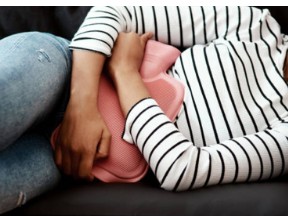
Pain
- Cramping in the lower abdomen
- Aching or pressure in the pelvis
- Sharp or stabbing pain
- Lower back pain
- Pain spreading into the hips or thighs

Nausea
- Pelvic heaviness
- Nausea
- Diarrhoea
Tiredness
- Headaches
- Fatigue
- Dizziness or feeling faint

Primary vs Secondary Dysmenorrhoea
There are two broad types of painful periods.
Primary Dysmenorrhoea
Primary dysmenorrhoea occurs when there is no underlying structural or gynaecological condition causing the pain.
It is particularly common in teenagers and younger women.
The pain is thought to be related to increased levels or sensitivity to substances called prostaglandins, which cause the womb to contract during menstruation.
Primary period pain often:
- Begins around the start of menstruation
- Lasts for a few days
- Improves with age for some women
- Does not indicate an underlying pelvic disease
However, severe symptoms should still be assessed rather than automatically assumed to be “normal”.
Secondary Dysmenorrhoea
Secondary dysmenorrhoea means painful periods caused by an underlying condition affecting the reproductive system.
Possible causes include:
- Endometriosis
- Adenomyosis
- Fibroids
- Pelvic inflammatory disease
- Ovarian conditions
- Occasionally other pelvic conditions
Secondary dysmenorrhoea may develop after previously manageable periods or become progressively worse over time.
When Is Period Pain Not Normal?
There is no requirement for you to simply tolerate severe period pain.
You should consider seeking medical advice if:
- Your periods are becoming increasingly painful
- Pain is stopping you from doing normal activities
- Painkillers are no longer effective
- You have pain between periods
- You experience pain during sex
- You have pain when opening your bowels or passing urine
- You have heavy or irregular bleeding
- You experience persistent pelvic pain
- Your symptoms are affecting your fertility
- Your symptoms have changed significantly
These symptoms can sometimes indicate conditions such as endometriosis or adenomyosis.
Painful Periods and Endometriosis
Endometriosis is an important cause of secondary dysmenorrhoea.
It occurs when tissue similar to the lining of the womb grows outside the uterus, causing inflammation and sometimes scarring.
Pain associated with endometriosis can include:
- Severe period pain
- Pelvic pain
- Lower back pain
- Pain during or after sex
- Pain when opening your bowels
- Pain when passing urine
- Bowel or bladder symptoms that follow a menstrual pattern
Some women may also experience fatigue, bloating or fertility difficulties.
Importantly, the severity of pain does not necessarily reflect the extent of endometriosis.
Painful Periods and Adenomyosis
Adenomyosis occurs when tissue similar to the womb lining grows within the muscular wall of the uterus.
It can cause:
- Painful periods
- Heavy menstrual bleeding
- Pelvic pain
- Bloating or abdominal pressure
- Pain during sex
Adenomyosis can sometimes occur alongside endometriosis or fibroids.
Pelvic ultrasound and MRI may be useful when adenomyosis is suspected.
Painful Periods and Fibroids
Fibroids are non-cancerous growths that develop in or around the womb.
Depending on their size and location, fibroids can cause:
- Heavy periods
- Painful periods
- Pelvic pressure
- Abdominal discomfort
- Back pain
- Frequent urination
- Fertility difficulties
An ultrasound scan is often used to identify fibroids and assess their size and position
How Are Painful Periods Investigated?
Your assessment will usually begin with a detailed discussion about your symptoms.
Your clinician may ask:
- When your period pain started
- Whether the pain is getting worse
- Where you experience the pain
- How long the pain lasts
- Whether pain occurs before, during or after your period
- Whether you have heavy bleeding
- Whether you experience pain during sex
- Whether you have bowel or bladder symptoms
- Whether you are trying to conceive
- What treatments or painkillers you have already tried
Keeping a menstrual and symptom diary can be particularly useful because it helps identify patterns throughout your cycle.

Pelvic Ultrasound
A pelvic ultrasound may be recommended to investigate possible causes of your symptoms.
Depending on your circumstances, this may include a transabdominal and/or transvaginal ultrasound.
The scan can assess:
- The womb
- Endometrial lining
- Ovaries
- Fibroids
- Ovarian cysts
- Features that may suggest adenomyosis
- Some signs associated with endometriosis
A normal ultrasound does not necessarily exclude endometriosis, so your symptoms and clinical history remain important.ates.
Other Investigations
Depending on your symptoms, additional investigations may include:
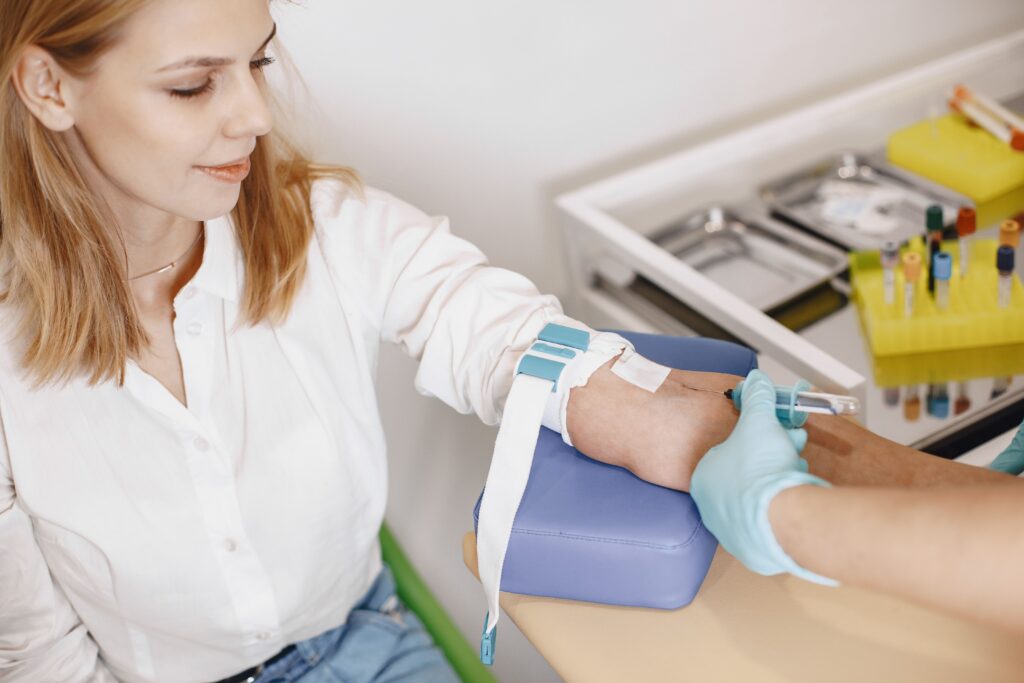
- Blood tests
- Pregnancy testing where appropriate
- Infection screening
- Pelvic MRI
- Specialist ultrasound
- Further gynaecological assessment
The investigations recommended will depend on your age, symptoms, medical history and fertility plans.
Treatment Options
Treatment depends on the likely cause of your pain and your individual circumstances.
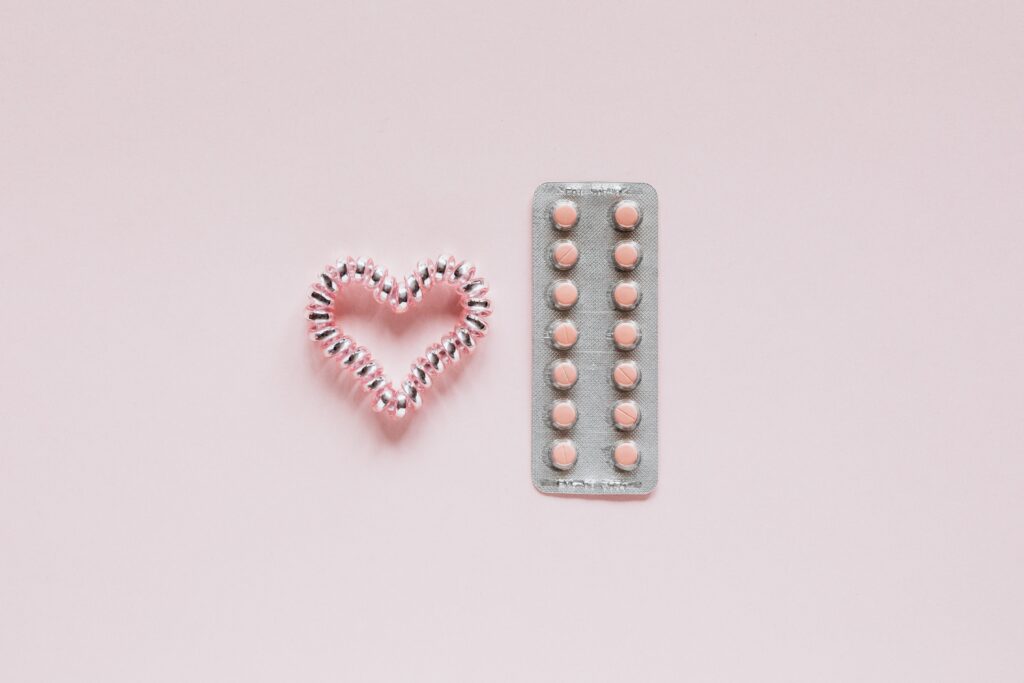
Anti-inflammatory medication
Medicines such as ibuprofen, naproxen or mefenamic acid may help reduce period pain for some people, provided they are medically suitable for you.

Hormonal treatment
Hormonal contraception can reduce or suppress periods and may help relieve period pain.
Options can include:
- Other hormonal treatments where appropriate
- Combined hormonal contraception
- Progesterone-only contraception
- Hormonal intrauterine systems
Heat and physical therapies
Some women find relief from:
- Heat pads or hot water bottles
- Warm baths
- Gentle exercise
- Massage
- Stretching
- TENS machines
These approaches can be used alongside medical treatment.
Treating the Underlying Cause
If an underlying condition is identified, treatment can be targeted towards that condition.
For example:
- Endometriosis may require hormonal treatment, pain management and, in selected cases, surgery.
- Adenomyosis may be managed with hormonal or non-hormonal treatments and, where appropriate, surgical options.
- Fibroids may be managed with medication, minimally invasive procedures or surgery depending on their size, location and symptoms.
- Pelvic inflammatory disease requires appropriate antibiotic treatment.
Your treatment should be based on your symptoms, diagnosis, fertility plans and personal preferences.propriate support can be considered
.
Painful Periods and Fertility
Severe painful periods can sometimes be associated with conditions that also affect fertility, particularly endometriosis.
If you are trying to conceive and have painful periods, irregular cycles or other symptoms, it may be appropriate to discuss fertility earlier rather than simply treating the pain in isolation.
Your assessment may include consideration of:
- Ovulation
- Ovarian function
- Pelvic ultrasound
- Endometriosis or adenomyosis
- Fallopian tubes
- Partner’s fertility
A personalised fertility assessment can help determine whether further investigation or treatment is appropriate.ans and personal preferences.propriate support can be considered
.
Living With Painful Periods
Chronic or severe period pain can affect much more than your physical health.
You may find that you:
- Avoid social activities
- Take time off work or education
- Stop exercising
- Struggle to sleep
- Avoid sexual intimacy
- Plan your life around your period
- Feel anxious about when your next period will arrive
- Feel frustrated if your symptoms are repeatedly dismissed
Your experience matters.
If period pain is affecting your everyday life, seeking appropriate support can help you understand the cause and explore treatment options. plans and personal preferences.propriate support can be considered
.

When Should You See a PCOS Specialist?
Consider specialist assessment if:
- Your period pain is severe
- Your pain is getting progressively worse
- Standard painkillers are not providing adequate relief
- You have persistent pelvic pain
- You experience pain during sex
- You have bowel or bladder symptoms around your period
- You have heavy or irregular bleeding
- You have previously been treated for period pain without improvement
- You are concerned about endometriosis or adenomyosis
- You are experiencing fertility difficulties
The NHS advises seeking medical advice when period pain is severe enough to affect daily life or when periods become more painful, heavier or irregular.ere before seeking help.
Visiting Our Sutton Coldfield Clinic
Conveniently located our clinic is easily accessible with strong local travel links, making it straightforward to reach from Sutton Coldfield and the surrounding areas including Four Oaks, Little Aston, Wylde Green, Boldmere, Tamworth, Lichfield, Erdington, and Aldridge.
Get Directions
Ashfurlong Medical Centre
233 Tamworth Road
Sutton Coldfield
West Midlands
B75 6DX
Car parking and accessible access are available.
Public Transport: Access from Four Oaks Railway Station or Sutton Coldfield Train Station.
Your Health Shop
Support your health beyond your consultation with carefully selected products to help manage symptoms, support wellbeing and improve everyday quality of life.
Discover products chosen to complement your personalised care.
Simple. Practical. Supporting you every step of the way.
Cooling Patches
Discreet, non-hormonal cooling patches for hot flushes and overheating.
FloEaze TENS Machine
Discreet, drug-free TENS support for period and endometriosis pain.
Ziwig Endotest
A non-invasive saliva-based test designed to support the diagnosis of endometriosis.
Painful Period Support: Charities & Organisations
Living with painful periods (dysmenorrhoea) can affect much more than your physical health. Severe or persistent period pain can impact work, education, relationships, exercise, sleep, fertility and everyday life. For some women, painful periods may also be associated with conditions such as endometriosis, adenomyosis or fibroids.
You may need support with understanding your symptoms, seeking a diagnosis, exploring treatment options, managing pain or finding emotional and peer support.
The organisations below provide trusted information, practical resources and, in some cases, access to support communities. They can be useful alongside the care and advice provided by your healthcare team.
Endometriosis UK provides information and support for people experiencing symptoms associated with endometriosis, including painful periods, pelvic pain and pain during sex. Their support network includes online communities, support groups and information to help you prepare for medical appointments.
The Pelvic Pain Support Network is a UK registered charity providing information, support and advocacy for people living with pelvic pain, whether or not they have received a diagnosis. Their resources include information about painful periods, treatment and diagnosis, as well as an online community.
Women’s Health Concern provides independent, evidence-based information about women’s health. Its resources include information on period pain, including the differences between primary and secondary dysmenorrhoea and when painful periods may require further assessment.
Royal College of Obstetricians and Gynaecologists
The RCOG provides evidence-based patient information about a wide range of gynaecological conditions. Its resources can help patients understand potential causes of pelvic and menstrual symptoms and the investigations and treatments that may be considered.
The NHS provides information about period pain, including common symptoms, self-care and treatment options, and when to seek medical advice. If period pain is severe, worsening or interfering with your everyday activities, medical assessment is recommended.
Frequently Asked Questions
There is no specific pain score that determines whether your period pain is abnormal. If pain is severe, worsening, not responding to treatment or stopping you from carrying out normal activities, it should be assessed.
Mild period discomfort can be common, but severe or worsening pain should not simply be accepted as normal. It can sometimes be associated with conditions such as endometriosis, adenomyosis or fibroids.
Yes. Endometriosis is an important possible cause of secondary dysmenorrhoea, particularly when pain is severe or accompanied by pelvic pain, painful sex, bowel or bladder symptoms or fertility difficulties.
Period pain itself does not necessarily cause infertility. However, some conditions that cause painful periods, particularly endometriosis, can be associated with fertility difficulties.
Yes. Many women can manage painful periods with medication, hormonal treatments and other pain-management strategies. Surgery is only appropriate in selected circumstances and depends on the underlying cause.
Yes. If your period pain is preventing you from carrying out normal activities, it is reasonable to seek medical advice and discuss whether further assessment is needed.