

Cervical Health: Screening, HPV, Symptoms, Diagnosis & Treatment | Sutton Coldfield & Online
Your cervix plays an important role in reproductive and gynaecological health, yet cervical health is often overlooked until a screening result or symptom causes concern.
Understanding Cervical Health
Looking after your cervical health includes attending routine cervical screening when invited, understanding HPV, recognising changes in your symptoms and seeking medical advice if you experience unusual bleeding, discharge or pelvic pain.
At Your Health, we provide confidential, personalised assessment for women who have concerns about their cervical health, including abnormal bleeding, cervical abnormalities, HPV and cervical screening results.
This guide explains:
- What the cervix is
- What affects cervical health
- Human papillomavirus (HPV)
- Cervical screening
- Understanding your screening results
- Abnormal cervical cells
- Colposcopy
- Symptoms that should be assessed
- Cervical infections and ectropion
- Cervical polyps
- Cervical cancer
- HPV vaccination
- When to seek specialist advice

Supporting Your Cervical Health
Cervical health is an important part of your overall wellbeing. With the right information, appropriate screening and personalised care, many cervical health concerns can be identified early, monitored and effectively managed.
If you’re experiencing unusual bleeding, bleeding after sex, changes in vaginal discharge, pelvic discomfort, an abnormal cervical screening result or concerns about HPV, seeking specialist advice can help you understand what may be causing your symptoms.
A personalised assessment can help guide further investigation, explain your screening or test results, explore appropriate treatment options and ensure you receive the support and care that’s right for you.

Dr Fateh Ghazal GMC: 6047927

Dr Lina Antoun GMC: 7060000

Prof Tony Thomas GMC 6069916

5 Star Experience
“Your Health provided exceptional support throughout my cervical health journey. I was worried about my symptoms and screening results, but the team took the time to listen, explain everything clearly and make sure I understood what was happening. I felt reassured, supported and confident about the next steps in my care.
I’m incredibly grateful for the personalised care and support I received and would highly recommend Your Health.”
Erika R

What Is the Cervix?
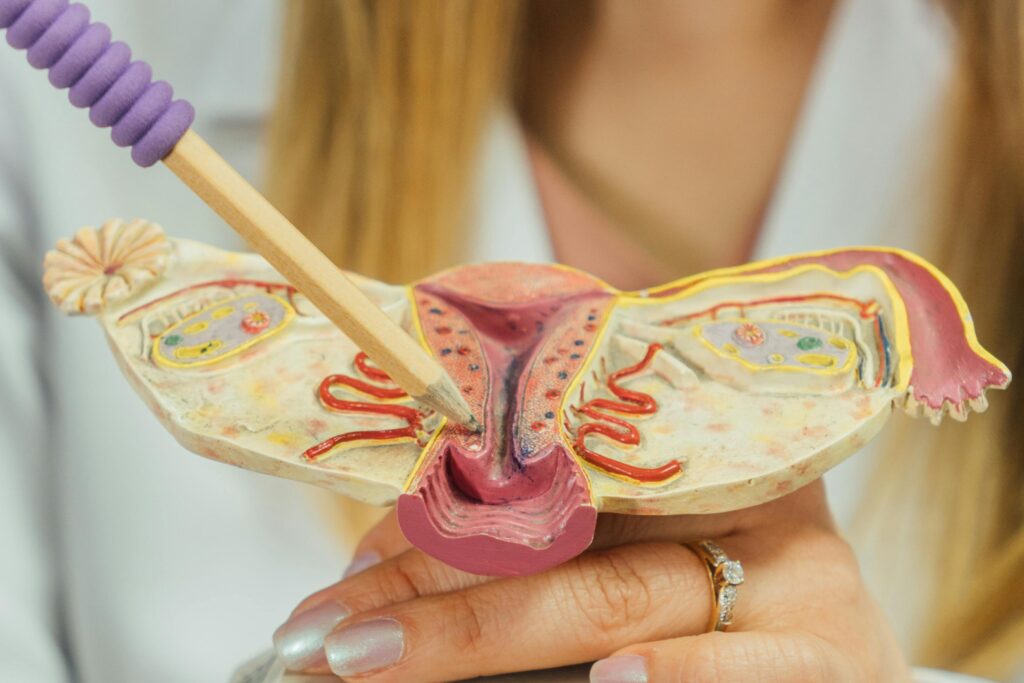
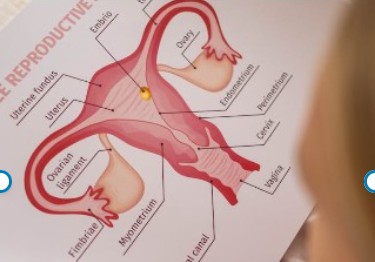
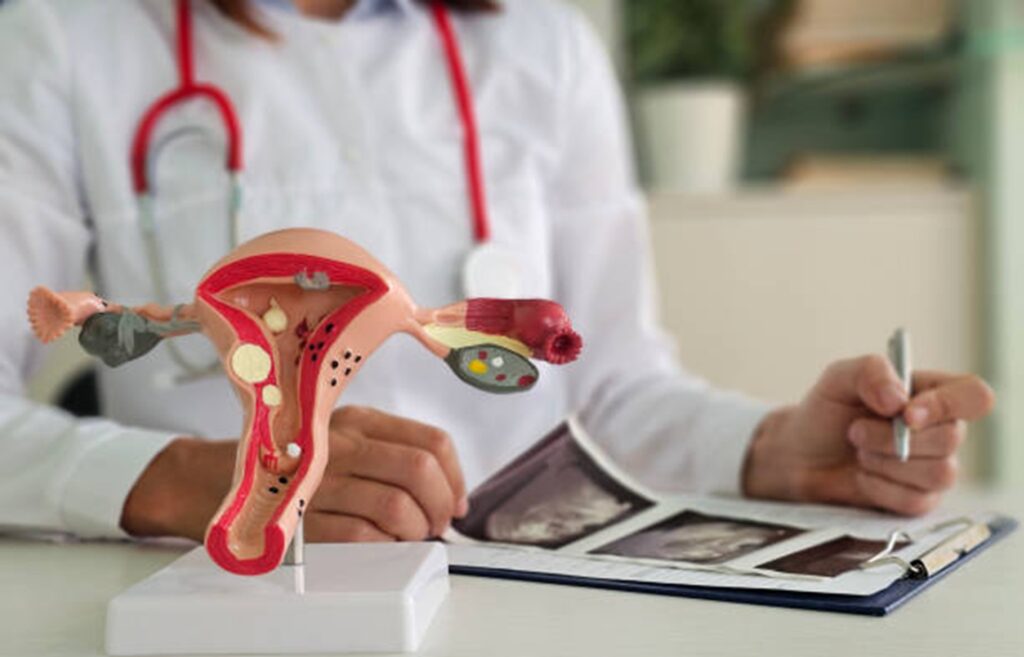
The cervix is the lower part of the uterus (womb) that connects the womb to the vagina.
It has several important functions. It allows menstrual blood to leave the womb, provides a passage for sperm and changes during pregnancy and childbirth.
The cervix can also be affected by hormonal changes, infections, HPV and benign conditions such as cervical ectropion or polyps
What Is Cervical Health?
Good cervical health involves understanding and monitoring changes affecting the cervix and taking appropriate steps to reduce the risk of cervical disease.
This includes:
- Attending cervical screening when invited
- Understanding HPV and how it can affect the cervix
- Having appropriate follow-up after an abnormal screening result
- Seeking medical advice for unusual bleeding
- Investigating persistent or unusual vaginal discharge
- Treating cervical or vaginal infections where appropriate
- Discussing concerns about cervical abnormalities with a healthcare professional
Cervical screening is an important part of preventing cervical cancer, but screening is not a test for symptoms. If you have symptoms such as unusual bleeding, you should seek medical advice rather than waiting for your next screening appointment.
What Is HPV?
Human papillomavirus (HPV) is a very common virus.
There are many different types of HPV. Some types can affect the cervix and, if they persist, can cause changes to cervical cells.
Most HPV infections are temporary and are cleared naturally by the immune system. However, persistent infection with certain high-risk types of HPV can cause abnormal cervical cells and, over time, may lead to cervical cancer if untreated.
It also does not necessarily mean that your partner has been unfaithful. HPV can remain in the body for years, meaning it is often impossible to know when or from whom an infection was acquired.
Having HPV does not mean that you have cervical cancer.
How Is HPV Spread?
HPV is primarily transmitted through intimate skin-to-skin contact.
It can be passed through:
- Vaginal sex
- Anal sex
- Oral sex
- Genital skin-to-skin contact
Condoms can reduce the risk of HPV transmission but cannot provide complete protection because HPV can affect areas of skin that are not covered.
Because HPV is so common, exposure can occur even if you have had only one sexual partner.
What Is Cervical Screening?
Cervical screening is designed to help prevent cervical cancer by identifying high-risk HPV and, where HPV is detected, checking for abnormal cervical cells.
In England, cervical screening is offered to women and people with a cervix aged 25 to 64. Those aged 25 to 49 are currently invited every 3 years, while those aged 50 to 64 are invited every 5 years.
Cervical screening is not a test for cancer itself.
Instead, the current screening pathway looks for high-risk HPV. If HPV is detected, the sample can then be examined for abnormal cells.
What Happens During Cervical Screening?
During a cervical screening appointment, a healthcare professional uses a speculum to gently view the cervix.
A small brush is used to collect cells from the cervix.
The sample is then sent to a laboratory for testing.
The current NHS screening programme uses high-risk HPV testing as the primary screening test. If high-risk HPV is detected, cytology is used to look for abnormal cells and determine whether further investigation is needed.
The procedure is usually quick, although some women may experience discomfort.
You can ask questions, request adjustments or discuss any concerns before the examination.
What Do Cervical Screening Results Mean?
There are several possible outcomes.
HPV not detected
If high-risk HPV is not detected, your risk of developing cervical cancer is very low and you will generally be returned to routine screening.
HPV detected but no abnormal cells
HPV may be detected without abnormal cervical cells.
In this situation, you may be invited for repeat screening to check whether the infection has cleared.
HPV detected with abnormal cells
If HPV is detected and abnormal cervical cells are identified, you may be referred for further assessment, usually through a colposcopy appointment.
An abnormal screening result does not mean you have cervical cancer.
What Are Abnormal Cervical Cells?
Abnormal cervical cells are changes in the cells covering the cervix.
These changes can range from mild to more significant.
Many abnormal changes do not become cancer and may return to normal, particularly when HPV infection clears.
However, some higher-grade cell changes can develop into cancer over time if they are not monitored or treated.
This is why attending follow-up appointments is important.
What Is Colposcopy?
A colposcopy is a more detailed examination of the cervix.
It is usually recommended when cervical screening has identified HPV and/or abnormal cells requiring further assessment.
During a colposcopy:
- A speculum is inserted into the vagina
- The cervix is examined using a magnifying instrument called a colposcope
- Special solutions may be applied to highlight abnormal areas
- A small biopsy may be taken if required
Colposcopy allows the clinician to determine whether abnormal cells are present and whether treatment or monitoring is appropriate.


Cervical Ectropion
Cervical ectropion is a common and usually benign change affecting the cervix.
It occurs when cells normally found inside the cervical canal are visible on the outer surface of the cervix.
It can sometimes cause:
- Bleeding after sex
- Spotting between periods
- Increased vaginal discharge
- Bleeding following a cervical examination
Cervical ectropion is not cancer.
However, if you have unexplained bleeding, it is important that other possible causes are considered before assuming that ectropion is responsible.ure diagnosis approaches.
Cervical Polyps
A cervical polyp is a small growth arising from the cervix.
Most cervical polyps are benign.
They may cause:
- Bleeding after sex
- Bleeding between periods
- Increased vaginal discharge
- Irregular bleeding
Some polyps can be removed relatively simply during a gynaecological appointment.
Any removed tissue may be sent to a laboratory for histological examination.

Cervical Infections
The cervix can become inflamed due to infection.
Cervicitis may be associated with sexually transmitted infections such as chlamydia or gonorrhoea, although there can be other causes.
Symptoms may include:
- Unusual vaginal discharge
- Bleeding after sex
- Bleeding between periods
- Pelvic discomfort
- Pain during sex
- Burning when passing urine
Appropriate testing can help identify the cause and determine whether treatment is required..
Abnormal Bleeding and Cervical Health
Unusual bleeding should not automatically be attributed to your menstrual cycle or contraception.
You should seek medical advice if you experience:
- Bleeding after sex
- Bleeding between periods
- Persistent spotting
- Unusual bleeding after the menopause
- New or unexplained vaginal bleeding
- Bleeding associated with pelvic pain
Cervical screening is designed for people without symptoms. If you have symptoms, you should seek clinical assessment rather than waiting for your next routine screening test.


Cervical Cancer
Cervical cancer can develop when abnormal cervical cells become cancerous.
Persistent infection with certain high-risk HPV types is the main cause of cervical cancer.
Cervical screening helps identify HPV and cervical cell changes before cancer develops, allowing appropriate monitoring or treatment.
Possible symptoms of cervical cancer can include:
- Unusual vaginal bleeding
- Bleeding after sex
- Changes in vaginal discharge
- Pelvic pain
- Pain during sex
These symptoms can have many causes and do not necessarily mean you have cancer. However, persistent or unusual symptoms should always be assessed.d determine whether treatment is required..
HPV Vaccination
The HPV vaccine helps protect against HPV types that can cause cervical cancer and other HPV-related diseases.
Vaccination significantly reduces the risk of HPV-related disease but does not protect against every type of HPV.
For this reason, people who have received the HPV vaccine should still attend cervical screening when invited.

Can I Have Cervical Screening if I Am Pregnant?
Cervical screening is generally not routinely carried out during pregnancy.
If you have previously had an abnormal result or are due for follow-up, your healthcare professional can advise you about the most appropriate timing.
If you are experiencing symptoms such as unusual bleeding during pregnancy, you should seek appropriate medical assessment rather than relying on cervical screening.

Can I Have Cervical Screening During My Period?
It is often preferable to arrange screening when you are not having a heavy period because blood can make the sample more difficult to assess.
If you are unsure whether your appointment should go ahead, contact the healthcare professional or clinic providing your screening. deep infiltrating disease.

What If I Find Cervical Screening Uncomfortable?
It is completely reasonable to feel nervous or uncomfortable about cervical screening.
You can discuss your concerns before the examination.
You may be able to request:
- A smaller speculum
- Additional time
- A different position
- A chaperone
- An explanation of each step before it happens
- A pause or stop at any time
Your consent is important throughout the examination.
Cervical Health and Sexual Health
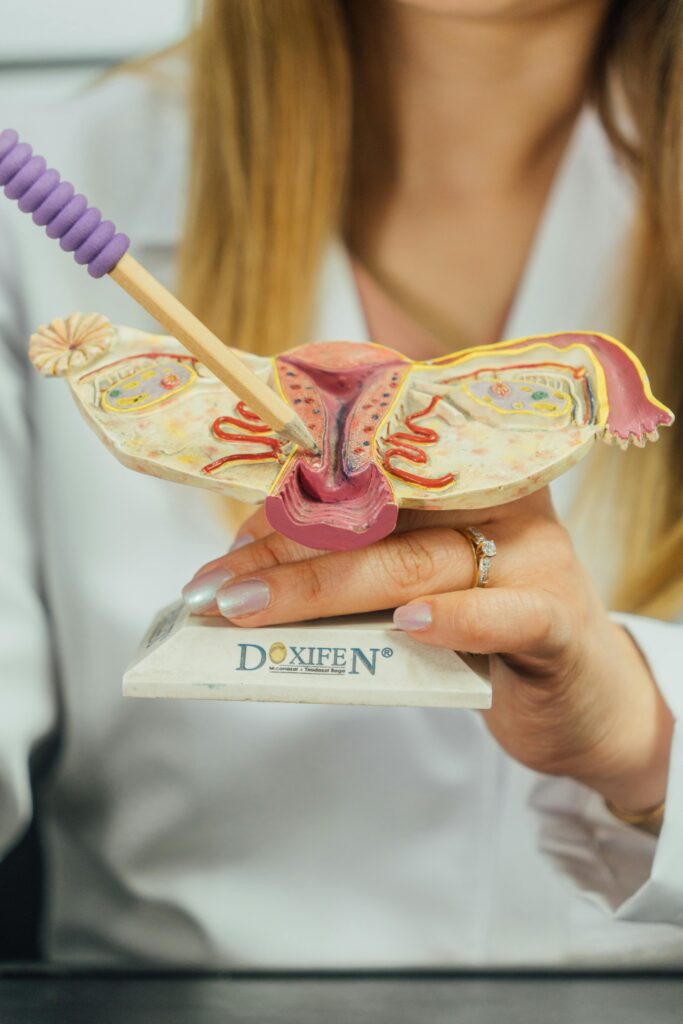
Looking after your cervical health is closely connected with your wider sexual and reproductive health.
Depending on your circumstances, this may include:
- HPV vaccination
- Cervical screening
- STI testing
- Contraception
- Assessment of unusual bleeding
- Assessment of pelvic pain
- Investigation of abnormal vaginal discharge
A holistic assessment can help identify whether symptoms are related to the cervix, vagina, uterus, ovaries or another part of the reproductive system.
When Should I See a Specialist?
You may benefit from a specialist cervical health assessment if you experience:
- Persistent abnormal bleeding
- Bleeding after sex
- Recurrent bleeding between periods
- An abnormal cervical screening result
- Persistent HPV
- A cervical polyp
- Cervical ectropion causing troublesome symptoms
- Persistent or unusual vaginal discharge
- Pelvic pain
- Concerns following a previous cervical procedure

Your Health Shop
Support your health beyond your consultation with carefully selected products to help manage symptoms, support wellbeing and improve everyday quality of life.
Discover products chosen to complement your personalised care.
Simple. Practical. Supporting you every step of the way.
Cooling Patches
Discreet, non-hormonal cooling patches for hot flushes and overheating.
FloEaze TENS Machine
Discreet, drug-free TENS support for period and endometriosis pain.
Ziwig Endotest
A non-invasive saliva-based test designed to support the diagnosis of endometriosis.
Cervical Health Support: Charities & Organisations
Living with endometriosis can affect much more than physical health. Patients may need support with diagnosis, treatment choices, pain management, fertility, relationships, emotional wellbeing, work and everyday life.
The organisations below provide trusted information, practical resources and, in some cases, peer or emotional support. They can be useful alongside the care and advice provided by your healthcare team.
TA specialist charity providing information and support around gynaecological cancers, including cervical cancer, HPV and cervical screening. The Eve Appeal also provides its nurse-led Ask Eve information service. It has incorporated the cervical health information previously provided by Jo’s Cervical Cancer Trust, which closed in 2024.
Provides trusted information about cervical screening, HPV testing, screening results and what happens if further investigation is required.
Provides information and practical, emotional and financial support for people affected by cancer, including cervical cancer.
Provides evidence-based information about cervical cancer, symptoms, diagnosis and treatment, as well as access to its nurse information service
Royal College of Obstetricians and Gynaecologists
Provides evidence-based information about women’s reproductive and gynaecological health and patient information resources covering a wide range of gynaecological conditions and procedures.
Frequently Asked Questions
In England, people with a cervix aged 25 to 49 are currently invited every 3 years, while those aged 50 to 64 are invited every 5 years. Your individual recall date will be stated on your screening invitation.
No. HPV is very common and most infections clear naturally. A positive HPV result means that high-risk HPV has been detected and further testing or monitoring may be recommended depending on the results.
Yes. Most HPV infections are temporary and are cleared naturally by the immune system. Persistent high-risk HPV infection can cause cervical cell changes, which is why appropriate screening and follow-up are important.
Yes. HPV is extremely common and can be transmitted through intimate skin-to-skin contact. It is possible to have HPV without knowing when it was acquired.
No. The HPV vaccine does not protect against every HPV type associated with cervical cancer, so vaccinated people should still attend cervical screening when invited.
No. Cervical screening is not intended to investigate symptoms. If you experience unexplained or persistent bleeding after sex, you should seek medical advice rather than waiting for your next routine screening appointment.
No. An abnormal result can mean that HPV has been detected or that cervical cells have changed. Most abnormal results do not mean that you have cervical cancer, but appropriate follow-up is important.
Visiting Our Sutton Coldfield Clinic
Conveniently located our clinic is easily accessible with strong local travel links, making it straightforward to reach from Sutton Coldfield and the surrounding areas including Four Oaks, Little Aston, Wylde Green, Boldmere, Tamworth, Lichfield, Erdington, and Aldridge.
Get Directions
Ashfurlong Medical Centre
233 Tamworth Road
Sutton Coldfield
West Midlands
B75 6DX
Car parking and accessible access are available.
Public Transport: Access from Four Oaks Railway Station or Sutton Coldfield Train Station.